
Radon Mitigation Systems That Actually Work
Radon exposure causes an estimated 3,200+ lung cancer deaths annually in Canada, making it the second leading cause after smoking. When testing reveals levels above Health Canada's 200 Bq/m³ guideline, professional mitigation systems offer proven solutions. According to the BC Lung Foundation and certified radon professionals, effective systems combine proper design, quality components, and expert installation to achieve 80-95% reduction rates consistently.
1. Crawlspace Membrane and Extraction Systems
For homes with crawlspaces over dirt floors, membrane systems combine a sealed vapor barrier with extraction fans to prevent radon entry. These systems are particularly relevant for older Vancouver Specials and similar construction where traditional SSD approaches aren't feasible.
Why it stands out: Crawlspace systems address the unique challenges of homes without full basements, where radon can accumulate in the crawlspace and migrate upward. Certified installers report effective results when proper sealing techniques are combined with adequate extraction capacity.
Things to know: Installation costs range from $5,000-$9,000 due to the labor-intensive sealing process. These systems require more extensive preparation work and may need periodic membrane inspection and repair.

Crawlspace Membrane and Extraction Systems
For homes with crawlspaces over dirt floors, membrane systems combine a sealed vapor barrier with extraction fans to prevent radon entry. You can find it on Amazon.
View on AmazonAs an Amazon Associate, we earn from qualifying purchases.
2. Heat Recovery Ventilator (HRV) Augmentation Systems
When SSD alone proves insufficient, HRV systems provide supplemental ventilation throughout the house that dilutes indoor radon concentrations while maintaining energy efficiency. These systems are particularly useful in tightly sealed modern construction where natural air exchange is minimal.
Why it stands out: HRV systems address radon while improving overall indoor air quality and maintaining comfortable humidity levels. They're especially effective in homes where multiple radon entry points make traditional extraction challenging, or where occupants prefer a comprehensive air quality approach.
Things to know: HRV augmentation costs $4,000-$8,000 and works best as a complement to, not replacement for, primary mitigation systems. These systems require regular filter changes and seasonal maintenance for optimal performance.

Heat Recovery Ventilator (HRV) Augmentation Systems
When SSD alone proves insufficient, HRV systems provide supplemental ventilation throughout the house that dilutes indoor radon concentrations while maintaining energy efficiency. You can find it on Amazon.
View on AmazonAs an Amazon Associate, we earn from qualifying purchases.
3. Sump Pump Cover and Sealing Systems
Specialized covers and sealing systems for sump pumps address a common radon entry point in many homes. These systems maintain sump pump functionality while preventing radon gas from entering through the sump pit opening.
Why it stands out: Sump pits are significant radon entry points that standard SSD systems may not fully address. Professional-grade covers with integrated extraction connections can be tied into the main mitigation system for comprehensive coverage. The Canadian Association of Radon Scientists and Technologists (CARST) recognizes proper sump sealing as essential for effective mitigation.
Things to know: Sump covers typically cost $300-$800 as part of a larger mitigation system but may require custom fabrication for unusual sump configurations. Some covers may complicate sump pump maintenance access.
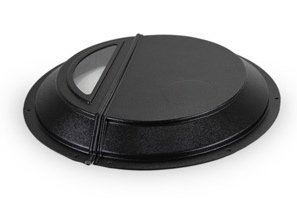
Sump Pump Cover and Sealing Systems
Specialized covers and sealing systems for sump pumps address a common radon entry point in many homes. You can find it on Amazon.
View on AmazonAs an Amazon Associate, we earn from qualifying purchases.
4. Sub-Slab Depressurization Systems
The most common and effective radon mitigation approach, sub-slab depressurization (SSD) systems install a fan-powered pipe system that draws radon gas from beneath the foundation and vents it safely above the roofline. These systems work by creating negative pressure under the slab, preventing radon from entering living spaces.
Why it stands out: SSD systems achieve 80-95% reduction rates in most homes and are recommended by Health Canada as the primary mitigation method. The BC Lung Foundation's certified contractor network consistently reports successful results with properly installed systems, particularly in standard basement configurations.
Things to know: Basic SSD installation costs $2,500-$4,500 in most markets, with more complex foundations requiring multiple suction points at $4,500-$6,500. Systems require ongoing electrical costs for fan operation and periodic maintenance checks.
5. Multiple-Point Extraction Systems
For larger homes or complex foundation designs, multiple-point systems use several extraction points connected to a central fan system. These comprehensive approaches ensure even suction across the entire foundation footprint.
Why it stands out: Multiple-point systems provide the most thorough coverage for homes where single point extraction proves inadequate. They're particularly effective for homes with multiple foundation types, additions, or where initial single-point systems haven't achieved target reduction levels.
Things to know: Multiple-point systems represent the most expensive option at $4,500-$6,500 or more, depending on complexity. They require more extensive installation work and may need larger capacity fans, increasing ongoing operating costs.
How to Choose the Right Radon Mitigation System
- Get professional assessment: C-NRPP certified contractors can evaluate your home's specific foundation type, radon levels, and optimal mitigation approach before recommending a system.
- Verify installer credentials: Look for contractors certified through the Canadian National Radon Proficiency Program (C-NRPP) who understand local building codes and proper installation techniques.
- Consider your foundation type: Standard basements typically work well with basic SSD systems, while crawlspaces, complex foundations, or homes with multiple levels may require specialized approaches.
- Plan for testing after installation: Effective systems should reduce levels below 200 Bq/m³, with many achieving results below 100 Bq/m³. Factor in the cost of testing to verify system performance.
- Budget for ongoing costs: Beyond installation, consider annual electrical costs of $50-$150 for fan operation and periodic maintenance or component replacement over the system's 15-20 year lifespan.
Professional radon mitigation systems offer proven protection against a serious health risk. With proper installation by certified contractors, these systems consistently achieve the dramatic reduction levels needed to bring dangerous radon exposures down to safe ranges.