
What to Look For in Premium Kombucha and Probiotic Drinks
The kombucha market has exploded with dozens of brands promising gut health benefits, but not all deliver on their probiotic claims. Reviewers at The Quality Edit and Fermented Fizz consistently highlight that the best kombucha brands are raw, unpasteurized, and contain verified live cultures rather than added sugars or artificial flavors. Below are the kombucha and probiotic drinks that stand out for their authentic fermentation, ingredient quality, and genuine health benefits.
1. GT's Synergy Kombucha
GT's remains the gold standard in American kombucha, holding roughly 40% of the market share since founder GT Dave began bottling his family recipe in 1995. Each 16-ounce bottle contains approximately 9 billion living cultures across multiple probiotic strains, fermented for 30 days to develop complex flavors like Trilogy (raspberry, lemon, ginger) and the popular Gingerade.
Why it stands out: Fermented Fizz reports that GT's contains 18 times more live cultures than the next leading competitor, making it the richest probiotic option available. The brand uses only organic tea, cane sugar, and live cultures with no artificial additives or preservatives.
Things to know: GT's Classic line contains over 0.5% alcohol and requires ID for purchase, while Synergy stays under the legal limit. Some flavors can be quite tart and vinegary, which may take adjustment for newcomers to kombucha.

GT's Synergy Kombucha
GT's remains the gold standard in American kombucha, holding roughly 40% of the market share since founder GT Dave began bottling his family recipe in 1995. You can find it on Amazon.
View on AmazonAs an Amazon Associate, we earn from qualifying purchases.
2. Health-Ade Kombucha
Health-Ade has earned a devoted following through small-batch brewing in glass jars rather than large steel tanks, creating what reviewers describe as a cleaner, more refined flavor profile. The brand holds 19% market share and consistently wins blind taste tests with popular flavors like Pink Lady Apple, Ginger Lemon, and Cayenne Cleanse.
Why it stands out: The Quality Edit notes that Health-Ade's glass jar fermentation method produces superior taste quality compared to industrial production techniques. Each batch is organic, raw, and contains diverse probiotic strains with beneficial acids and antioxidants.
Things to know: Some fruit-forward flavors like Pink Lady Apple contain up to 19 grams of sugar due to added fruit juice concentrate, making them higher in sugar than plain varieties. Prices range from $3.50 to $5.00 per bottle, positioning it as a premium option.

Health-Ade Kombucha
Health-Ade has earned a devoted following through small-batch brewing in glass jars rather than large steel tanks, creating what reviewers describe as a cleaner, more refined flavor profile. You can find it on Amazon.
View on AmazonAs an Amazon Associate, we earn from qualifying purchases.
3. Brew Dr. Kombucha
Starting from premium loose-leaf tea blends rather than tea bags, Brew Dr. creates a more nuanced, tea-forward kombucha with distinctive flavors like Clear Mind, Superberry, and Love. The brand emerged from Townshend Tea Company in Portland and maintains a focus on tea quality that sets it apart from fruit-heavy competitors.
Why it stands out: Fermented Fizz identifies Brew Dr. as having the best tea quality and most affordable pricing among major brands, with approximately 5 grams of sugar per serving. The company donates 1% of revenue to environmental nonprofits and removes natural alcohol for repurposing.
Things to know: The brand faced a 2019 class action lawsuit over misrepresented probiotic counts, though transparency has since improved. Packs of four 12-ounce bottles cost around $10, making it one of the most budget-friendly premium options.
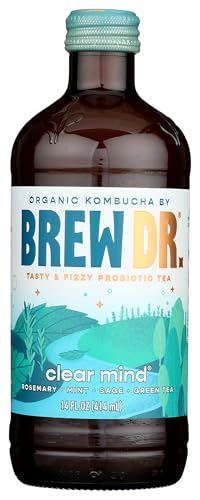
Brew Dr. Kombucha
Starting from premium loose-leaf tea blends rather than tea bags, Brew Dr. You can find it on Amazon.
View on AmazonAs an Amazon Associate, we earn from qualifying purchases.
4. Remedy Kombucha
This Australian brand has gained strong US distribution by offering truly sugar-free kombucha through extended 30-day fermentation that consumes virtually all sugar. Remedy uses stevia and erythritol in some flavors to maintain sweetness while keeping calories to just 10-15 per serving across varieties like Ginger Lemon and Wild Berry.
Why it stands out: Fermented Fizz highlights Remedy as the only major brand offering completely sugar-free kombucha that remains raw and unpasteurized. The extended fermentation creates complex flavors without relying on added fruit juices or sweeteners.
Things to know: The stevia and erythritol used in some flavors may have a slight aftertaste that some drinkers notice. As an imported brand, availability can be inconsistent in certain US regions, though distribution continues expanding.

Remedy Kombucha
This Australian brand has gained strong US distribution by offering truly sugar-free kombucha through extended 30-day fermentation that consumes virtually all sugar. You can find it on Amazon.
View on AmazonAs an Amazon Associate, we earn from qualifying purchases.
5. Traditional Indian Chaas (Buttermilk)
Chaas represents one of the oldest probiotic drinks, made by diluting fresh yogurt with water and seasoning with roasted cumin, mint, and rock salt. This traditional Indian beverage provides natural cooling properties and lactic acid bacteria that support digestion, particularly effective after meals during hot weather.
Why it stands out: Tata 1mg identifies chaas as having natural antacid properties that reduce acidity after meals better than most commercial remedies. The live cultures from fresh yogurt provide immediate probiotic benefits without added sugars or artificial ingredients.
Things to know: Homemade chaas from fresh yogurt provides the best probiotic benefits, as commercially available versions are often pasteurized. The drink is best consumed fresh and may not appeal to those unfamiliar with savory probiotic beverages.
How to Choose the Right Kombucha and Probiotic Drinks
- Check for live cultures: Look for "raw" and "unpasteurized" labels, plus specific probiotic strain information. Avoid shelf-stable products that don't require refrigeration.
- Read sugar content carefully: Aim for under 8 grams per serving and check for "added sugars" on nutrition labels, as some brands add fruit juice concentrate after fermentation.
- Verify organic certification: Over 90% of quality kombucha is organic, and conventional tea can contain pesticide residues that interfere with beneficial bacteria.
- Consider your taste preferences: Traditional kombucha has a vinegary tang, while fruit-forward versions are sweeter but often higher in sugar. Start with milder flavors if you're new to fermented drinks.
- Check ingredient lists: The best kombuchas contain only tea, water, sugar, and culture. Long ingredient lists with artificial flavors or preservatives indicate lower quality.
The most important factor is choosing raw, unpasteurized options with verified live cultures, as pasteurization eliminates the probiotic benefits that make these drinks worthwhile for gut health.