
5 Best Non-Toxic Glass & Oven Cleaners for 2026
Traditional oven and glass cleaners rely on caustic chemicals that can irritate lungs and leave toxic residues around food preparation areas. Natural cleaning experts and environmental health organizations consistently highlight plant-based formulas and simple ingredient lists as safer alternatives that still deliver powerful cleaning performance. The strongest picks in this category combine effective degreasing action with fume-free formulations, making kitchen cleaning safer for families while maintaining the cleaning power needed for stubborn baked-on messes.
1. Method Heavy Duty Degreaser
This plant-based degreaser tackles tough kitchen grease with a lemongrass scent that leaves kitchens smelling fresh rather than chemical-laden. The 28-ounce spray bottle provides versatile cleaning power for both oven interiors and stovetop surfaces, making it a solution for multiple purposes in busy kitchens.
Why it stands out: Kitchen cleaning experts praise its effectiveness against stubborn grease while maintaining an eco-friendly formula. The lemongrass essential oil provides natural degreasing properties beyond just pleasant fragrance, and the concentrated formula means less product needed per cleaning session.
Things to know: Extremely stubborn, baked-on messes may require multiple applications or longer contact time. The packaging design occasionally varies, which some users find inconsistent, though the formula remains the same.
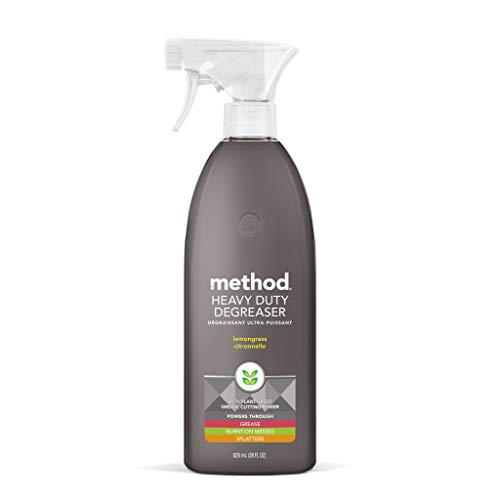
Method Heavy Duty Degreaser
This plant-based degreaser tackles tough kitchen grease with a lemongrass scent that leaves kitchens smelling fresh rather than chemical-laden. You can find it on Amazon.
View on AmazonAs an Amazon Associate, we earn from qualifying purchases.
2. Easy-Off Fume Free Oven Cleaner
This mainstream brand's fume-free formula eliminates the harsh experience of traditional oven cleaners while maintaining strong degreasing power. The lemon scent provides a fresh finish, and the spray application allows for precise targeting of problem areas.
Why it stands out: Cleaning product reviewers consistently note its ability to break down tough, baked-on grease without requiring users to leave the house during application. The fume-free formulation makes it safer for homes with children and pets, while still delivering powerful cleaning performance.
Things to know: Not suitable for self-cleaning ovens, and heavily soiled ovens may need repeat treatments. The formula works best when allowed to sit for the recommended contact time before wiping.

Easy-Off Fume Free Oven Cleaner
This mainstream brand's fume-free formula eliminates the harsh experience of traditional oven cleaners while maintaining strong degreasing power. You can find it on Amazon.
View on AmazonAs an Amazon Associate, we earn from qualifying purchases.
3. Everneat Oven Scrub
This natural, unscented oven cleaner focuses on safety without compromising effectiveness. The non-toxic formula works on all oven types and provides powerful degreasing for racks, doors, and grates without any chemical fumes.
Why it stands out: Environmental health advocates highlight its completely natural ingredient list and fume-free operation, making it ideal for households prioritizing chemical-free cleaning. The formula effectively handles stubborn grease while leaving no harmful residues that could affect food safety.
Things to know: The unscented formula may not appeal to those who prefer fragranced cleaners. Natural formulas sometimes require more physical scrubbing compared to chemical alternatives, though the improved safety is a worthwhile benefit.

Everneat Oven Scrub
This natural, unscented oven cleaner focuses on safety without compromising effectiveness. You can find it on Amazon.
View on AmazonAs an Amazon Associate, we earn from qualifying purchases.
4. Branch Basics Concentrate
This versatile cleaning concentrate can be diluted for various cleaning tasks, including tough oven messes and glass surfaces. The plant-based formula uses simple, recognizable ingredients and can replace multiple specialized cleaners in most households.
Why it stands out: Natural cleaning enthusiasts praise its ability to handle even explosive oven messes, like burst sweet potatoes, with minimal effort and no toxic fumes. The concentrate format provides excellent value and reduces packaging waste, while the simple ingredient list ensures transparency about what you're using in your kitchen.
Things to know: Requires mixing to proper concentration for different tasks, which some users find less convenient than spray bottles. The initial cost is higher than conventional cleaners, though the concentrate format provides more cleaning sessions per bottle.
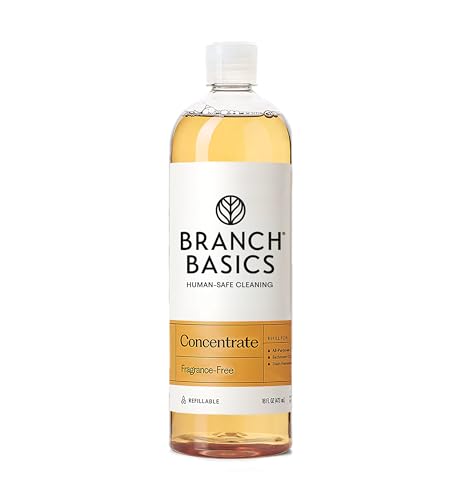
Branch Basics Concentrate
This versatile cleaning concentrate can be diluted for various cleaning tasks, including tough oven messes and glass surfaces. You can find it on Amazon.
View on AmazonAs an Amazon Associate, we earn from qualifying purchases.
5. Homemade Alcohol-Based Glass Cleaner
This DIY glass cleaner combines water, rubbing alcohol, and white vinegar for streak-free results on windows and mirrors. The alcohol helps the solution evaporate quickly, preventing streaks, while the vinegar cuts through grime and provides mild disinfecting properties.
Why it stands out: Natural cleaning experts recommend this formula specifically for glass surfaces because it evaporates quickly and leaves no streaks. The simple recipe with three ingredients uses common household items and provides mild disinfecting properties as a bonus, making it both economical and effective.
Things to know: Best applied on cloudy days rather than in direct sunlight to prevent rapid drying and streaking. The alcohol content means proper ventilation is recommended during use, and the formula should not be used on natural stone surfaces due to the vinegar content.
How to Choose the Right Non-Toxic Glass & Oven Cleaner
- Check the ingredient list: Look for plant-based surfactants, avoid ammonia, chlorine bleach, and synthetic fragrances that can irritate respiratory systems.
- Consider surface compatibility: Acidic cleaners like vinegar work well on glass and stainless steel but can damage natural stone surfaces like granite and marble.
- Evaluate fume levels: Truly non-toxic cleaners should not require ventilation or evacuation during use, making them safer for regular kitchen maintenance.
- Think about versatility: Cleaners that work on multiple surfaces or concentrates can replace several specialized products, reducing both cost and storage needs.
- Factor in contact time: Natural cleaners often work more gently, so allow adequate time for the formula to break down grease before scrubbing.
The most important consideration when switching to non-toxic cleaners is allowing adequate contact time for natural ingredients to work their magic, which often means less scrubbing and better results than rushing through the cleaning process.