
A Complete Guide to Probiotic Drinks and Kombucha Brands for 2026
The probiotic drink market has exploded with kombucha, kefir, and functional beverages promising gut health benefits. However, not all probiotic drinks deliver on their claims. According to testing by Curated Culture and industry experts, the strongest picks are distinguished by named probiotic strains with clinical backing, transparent CFU counts of at least 1 billion per serving, and minimal added sugar. These criteria separate genuine functional beverages from flavored waters with probiotic marketing.
1. GT's Synergy Kombucha
GT's has been brewing kombucha longer than almost any other brand, with their Trilogy flavor (raspberry, lemon, ginger) remaining a crowd favorite. Each bottle delivers billions of live organisms from natural fermentation, making it a reliable choice for kombucha purists seeking authentic fermented benefits.
Why it stands out: GT's uses traditional fermentation methods that naturally produce diverse probiotic strains and beneficial organic acids. The brand has decades of experience perfecting their SCOBY cultures, resulting in consistent probiotic activity across batches.
Things to know: Sugar content can reach 12 grams per bottle depending on the flavor, and the vinegary tang may not appeal to everyone. Some flavors are more acidic than others, so start with milder options if you're sensitive to tartness.

GT's Synergy Kombucha
GT's has been brewing kombucha longer than almost any other brand, with their Trilogy flavor (raspberry, lemon, ginger) remaining a crowd favorite. You can find it on Amazon.
View on AmazonAs an Amazon Associate, we earn from qualifying purchases.
2. Health-Ade Kombucha
Health-Ade brews their kombucha in small batches using glass jars, which the brand claims preserves flavor integrity and probiotic viability. Their Pink Lady Apple and Pomegranate flavors are standouts for both taste and gut health benefits, with naturally variable CFU counts due to the fermentation process.
Why it stands out: The glass jar fermentation method may help maintain probiotic stability compared to metal tanks used by larger producers. Health-Ade focuses on organic ingredients and avoids artificial flavoring, creating kombuchas with a clean taste and genuine fruit flavors.
Things to know: Their newer SunSip prebiotic soda line does not contain live probiotics, so stick with the original kombucha range for probiotic benefits. Prices tend to be higher than mass-market brands due to small-batch production methods.

Health-Ade Kombucha
Health-Ade brews their kombucha in small batches using glass jars, which the brand claims preserves flavor integrity and probiotic viability. You can find it on Amazon.
View on AmazonAs an Amazon Associate, we earn from qualifying purchases.
3. Lifeway Kefir
Lifeway Kefir packs up to 12 live probiotic cultures and 25-30 billion CFU per serving, making it one of the most probiotic-rich options available. The creamy, tangy texture works well as a standalone drink or smoothie base, while also providing protein and calcium.
Why it stands out: Kefir naturally contains a broader diversity of probiotic strains compared to kombucha, including beneficial yeasts alongside bacteria. The high CFU count and multiple strain varieties offer comprehensive gut microbiome support.
Things to know: It's dairy-based, making it unsuitable for those who are lactose intolerant or vegan consumers. Flavored versions can contain 20+ grams of sugar, so opt for plain varieties if you're watching sugar intake.

Lifeway Kefir
Lifeway Kefir packs up to 12 live probiotic cultures and 25-30 billion CFU per serving, making it one of the most probiotic-rich options available. You can find it on Amazon.
View on AmazonAs an Amazon Associate, we earn from qualifying purchases.
4. Wildwonder Sparkling Prebiotic + Probiotic
Wildwonder combines both prebiotics and probiotics in a lightly sparkling format that tastes genuinely fruity without artificial flavoring. Their Peach Ginger and Pineapple Paradise flavors earned recognition in Tasting Table's 2025 ranking for superior taste and functional benefits.
Why it stands out: The combination of prebiotics and probiotics creates a synbiotic effect, where prebiotics feed the probiotic bacteria for enhanced gut colonization. The sparkling format makes it an appealing soda alternative without compromising health benefits.
Things to know: At around $3.50 per can, it's positioned as a premium option. CFU counts are more modest compared to kefir or dedicated probiotic supplements, making it better suited for maintenance rather than therapeutic gut support.

Wildwonder Sparkling Prebiotic + Probiotic
Wildwonder combines both prebiotics and probiotics in a lightly sparkling format that tastes genuinely fruity without artificial flavoring. You can find it on Amazon.
View on AmazonAs an Amazon Associate, we earn from qualifying purchases.
5. Kevita Master Brew Kombucha
Owned by PepsiCo, Kevita offers widely available and affordably priced kombucha with consistent quality. Their Pineapple Peach flavor is refreshing and less vinegary than many artisanal competitors, while still delivering billions of live probiotics and beneficial organic acids.
Why it stands out: Mass production ensures consistent flavor and probiotic content across batches, eliminating the variability sometimes found in smaller batches of kombucha. The widespread availability makes it accessible for daily consumption without specialty store visits.
Things to know: Some kombucha purists question whether mass-produced versions match the complexity and probiotic diversity of artisanal brands. The flavors tend to be milder and less complex than small-batch alternatives.
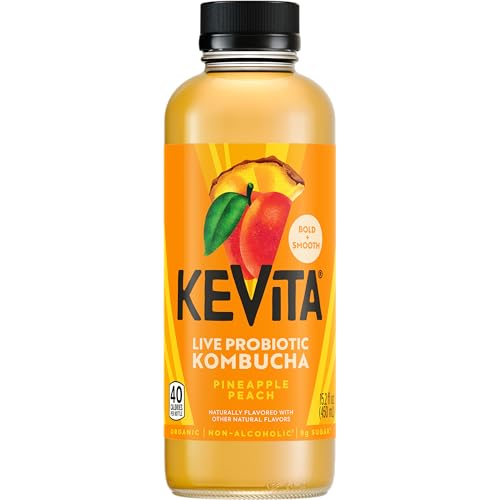
Kevita Master Brew Kombucha
Owned by PepsiCo, Kevita offers widely available and affordably priced kombucha with consistent quality. You can find it on Amazon.
View on AmazonAs an Amazon Associate, we earn from qualifying purchases.
How to Choose the Right Probiotic Drink
- Check strain specificity: Look for products that list specific strain names like "Lactobacillus rhamnosus GG" rather than just "contains probiotics." Named strains indicate clinical research backing and quality control.
- Verify CFU counts: Aim for at least 1 billion CFU per serving, with third-party testing verification when possible. Higher numbers aren't always better if the strains lack clinical support.
- Monitor sugar content: Keep sugar under 10 grams per serving to avoid undermining gut health benefits. Natural fruit sugars are preferable to added sweeteners or artificial alternatives.
- Consider your tolerance: Start with small amounts if you're new to fermented drinks, and choose milder options if you have acid sensitivity or digestive issues.
- Match timing to goals: Morning consumption supports energy and digestion, while evening intake can aid gut repair and reduce cravings, though those sensitive to caffeine should avoid kombucha later in the day.
The best probiotic drink depends on your specific gut health goals, taste preferences, and dietary restrictions. Focus on products with transparent labeling, clinical strain research, and minimal processing to maximize the genuine health benefits these functional beverages can provide.