
Eco Disposable Diapers: Plant-Based, Chlorine-Free, and PFAS-Free Options
Finding disposable diapers that protect both your baby's sensitive skin and the environment doesn't have to mean compromising on performance. The best eco-friendly disposable diapers use plant-based materials, avoid harsh chemicals like chlorine and PFAS, and earn third-party certifications for safety. We evaluated options based on material transparency, certifications, absorbency, and parent feedback from everyday use to find diapers that truly deliver on their clean promises.
1. HealthyBaby Diapers
HealthyBaby creates the first and only EWG Verified disposable diapers, featuring proprietary "magic channels" and flash dry technology for superior leak protection. The core uses FSC-certified wood pulp and is totally chlorine-free, while the top sheet combines 50% plant-based polyethylene with 50% polypropylene mix. The back sheet incorporates 15% organic cotton alongside synthetic materials.
Why we recommend it: These diapers earned EWG Verification by meeting strict criteria for ingredient safety and transparency, screening against over 1,000 chemicals of concern including parabens, phthalates, and fragrances. They're manufactured using renewable energy and come in paper rather than plastic packaging.
Things to know: At around $0.50 per diaper, they're pricier than conventional options. The top sheet isn't 100% plant-based, though the brand provides complete material transparency that other companies lack.

HealthyBaby Diapers
HealthyBaby creates the first and only EWG Verified disposable diapers, featuring proprietary "magic channels" and flash dry technology for superior leak protection. You can find it on Amazon.
View on AmazonAs an Amazon Associate, we earn from qualifying purchases.
2. Joonya Diapers
Made in Denmark, Joonya diapers feature back sheets and top sheets made from plant-based plastics derived from sugarcane and corn. The core contains wood fluff from FSC-certified forests, and the company plants a tree for every diaper subscriber. These diapers are totally chlorine-free and passed independent chemical testing by Eurofins Laboratory.
Why we recommend it: Joonya earned Nordic Swan and Dermatest certifications while using innovative plant-based plastic technology that reduces reliance on petroleum-based materials. The tree-planting program adds meaningful environmental impact beyond just cleaner materials.
Things to know: Pricing ranges from $0.51 to $0.71 per diaper, making them among the more expensive options. Availability may be limited compared to mainstream brands, and shipping from Denmark could affect delivery times.

Joonya Diapers
Made in Denmark, Joonya diapers feature back sheets and top sheets made from plant-based plastics derived from sugarcane and corn. You can find it on Amazon.
View on AmazonAs an Amazon Associate, we earn from qualifying purchases.
3. Kudos Diapers
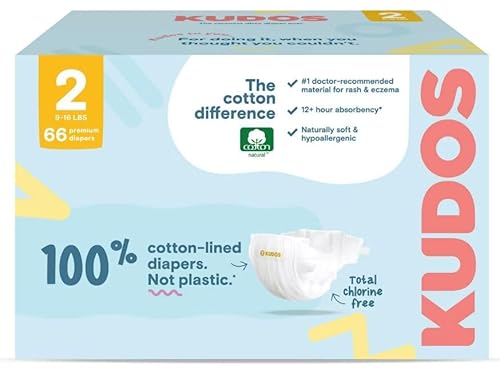
Kudos stands out as the only disposable diaper brand using 100% cotton for the top sheet that touches baby's skin. They use water-based ink free of heavy metals and earn both OEKO-TEX and FSC certifications. The brand demonstrates commitment to material integrity and supply chain accountability despite higher manufacturing costs.
Why we recommend it: The cotton top sheet offers superior softness and breathability compared to synthetic alternatives, while certifications ensure safety from over 1,000 harmful substances. Dr. Hopkins from Gimme the Good Stuff praised their willingness to invest in both material integrity and supply chain rigor.
Things to know: At $0.40 with subscription, they're competitively priced for the premium materials used. However, cotton may not absorb moisture as effectively as synthetic top sheets, potentially requiring more frequent changes for heavy wetters.
Kudos Diapers
Kudos stands out as the only disposable diaper brand using 100% cotton for the top sheet that touches baby's skin. You can find it on Amazon.
View on AmazonAs an Amazon Associate, we earn from qualifying purchases.
4. Bambo Nature Eco-Friendly Diapers
Bambo Nature creates diapers with a blend of petroleum-based and plant-based plastics, using plant-based plastic for some elastic components. The core combines wood pulp fluff, SAP, and cornstarch, with the brand claiming 50% biodegradability. These diapers earn Dermatest, OEKO-TEX, and FSC certifications while being elemental chlorine-free.
Why we recommend it: Multiple certifications provide safety assurance, while the cornstarch addition to the core supports the biodegradability claims. The recyclable packaging reduces waste beyond just the diaper itself.
Things to know: Several reviews mention a rougher feel compared to other premium eco options, and pricing varies widely from $0.49 to $1.09 per diaper. The 50% biodegradability claim, while better than conventional diapers, still means half the diaper persists in landfills.

Bambo Nature Eco-Friendly Diapers
Bambo Nature creates diapers with a blend of petroleum-based and plant-based plastics, using plant-based plastic for some elastic components. You can find it on Amazon.
View on AmazonAs an Amazon Associate, we earn from qualifying purchases.
5. Naty Plant-Based Diapers
Naty produces diapers with plant-based top and back sheets that the company describes as "mostly" compostable. Made in a factory powered by wind energy with no landfill waste, these diapers use FSC pulp and SAP while avoiding prints, lotions, and fragrances. They earn multiple certifications including USDA bio-based, Nordic Swan, and EU Eco Label.
Why we recommend it: The comprehensive certification portfolio demonstrates commitment to both safety and environmental standards. Manufacturing in a facility powered by wind energy with no landfill waste extends sustainability beyond just materials to production methods.
Things to know: The "mostly" compostable claim lacks specificity about which components break down and under what conditions. Pricing ranges from $0.29 to $0.68 per diaper, making them more accessible than some premium eco options, but availability may vary by region.

Naty Plant-Based Diapers
Naty produces diapers with plant-based top and back sheets that the company describes as "mostly" compostable. You can find it on Amazon.
View on AmazonAs an Amazon Associate, we earn from qualifying purchases.
6. Terra Diapers
Terra creates diapers that are 85% biodegradable using food-grade plant-based plastic (PLA) and FSC-certified wood pulp. These diapers feature a 100% plant-based wetness indicator and use rice adhesive with rice-based, recyclable packaging. All inks used on the product and packaging are food-grade, and the diapers earn Intertek and Dermatest certifications.
Why we recommend it: The 85% biodegradability rate is among the highest available in disposable diapers, while the food-grade PLA and rice-based components demonstrate innovative material sourcing. The plant-based wetness indicator avoids synthetic dyes that can irritate sensitive skin.
Things to know: At $0.68 to $0.93 per diaper, Terra represents a significant investment compared to conventional options. The brand contains bamboo viscose in the backsheet, which requires chemical processing, though the overall diaper composition remains exceptional for sustainability.

Terra Diapers
Terra creates diapers that are 85% biodegradable using food-grade plant-based plastic (PLA) and FSC-certified wood pulp. You can find it on Amazon.
View on AmazonAs an Amazon Associate, we earn from qualifying purchases.
How to Choose the Right Eco Disposable Diapers
- Look for third-party certifications: EWG Verified, OEKO-TEX Standard 100, and FSC certification provide independent verification of safety and sustainability claims rather than relying on marketing language alone.
- Check the top sheet material: Cotton offers the gentlest option for sensitive skin, while plant-based plastics provide better moisture absorption. Avoid conventional petroleum-based synthetics when possible.
- Understand chlorine-free processing: Totally chlorine-free (TCF) is preferable to elemental chlorine-free (ECF), as ECF still uses chlorine derivatives that can irritate skin and harm aquatic systems.
- Consider biodegradability claims carefully: Look for specific percentages and certifications rather than vague "eco-friendly" language. Even the most biodegradable disposables take years to break down under ideal composting conditions.
- Balance performance with principles: The most sustainable diaper is one that works reliably for your baby's needs. Frequent leaks leading to extra laundry and changes can offset environmental benefits.
Choosing eco-friendly disposable diapers means finding the right balance between your family's values, budget, and practical needs. Focus on brands that provide complete ingredient transparency and third-party certifications rather than relying on marketing claims alone.