
What Makes the Best Organic and Biodynamic Wine Brands
Organic and biodynamic wines represent a commitment to sustainable farming and minimal intervention winemaking that benefits both your health and the environment. Wine experts at The Wine Concierge and organic certification bodies consistently highlight key criteria that separate authentic organic wines from conventional options: USDA Organic or EU Organic certification, biodynamic farming practices, reduced sulfite levels, and transparent ingredient sourcing. Below are the organic and biodynamic wine brands that stand out in this category, and the criteria that set them apart.
1. Frey Vineyards Organic Zinfandel
As America's first organic winery, Frey Vineyards has been crafting certified organic wines since 1980 in Mendocino County, California. Their Zinfandel represents exceptional value in the organic wine category, often retailing for under $15 while maintaining strict organic and biodynamic standards. The family operation focuses on traditional winemaking methods without added sulfites.
Why it stands out: Frey holds the prestigious Demeter Biodynamic certification and produces completely sulfite-free wines, making them suitable for people with sulfite sensitivities. Independent reviewers consistently rate Frey as offering the best value in certified organic wine.
Things to know: Sulfite-free wines have shorter shelf lives and should be consumed within 2-3 years of vintage. The lack of sulfites means these wines are more sensitive to temperature fluctuations during shipping and storage.
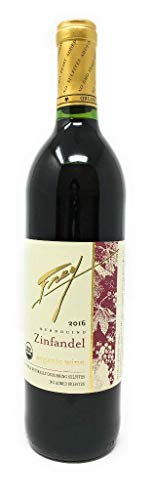
Frey Vineyards Organic Zinfandel
As America's first organic winery, Frey Vineyards has been crafting certified organic wines since 1980 in Mendocino County, California. You can find it on Amazon.
View on AmazonAs an Amazon Associate, we earn from qualifying purchases.
2. Bonterra Organic Estates Cabernet Sauvignon
Bonterra Organic Estates crafts premium California wines from 100% CCOF-certified organic vineyards in Mendocino County. The winery employs regenerative agriculture practices including cover cropping, sheep grazing between vine rows, and biodiversity enhancement. Their Cabernet Sauvignon demonstrates how organic farming can produce wines with concentrated flavors and elegant structure.
Why it stands out: Industry experts consistently vote Bonterra the number one organic winery in the United States, and it holds more certifications than most competitors including CCOF Organic, Fish Friendly Farming, and SIP Certified. The winery's regenerative practices actively improve soil health and carbon sequestration.
Things to know: Bonterra wines are widely distributed but command premium pricing. The focus on sustainability sometimes means lower yields, which can affect availability of specific vintages.

Bonterra Organic Estates Cabernet Sauvignon
Bonterra Organic Estates crafts premium California wines from 100% CCOF-certified organic vineyards in Mendocino County. You can find it on Amazon.
View on AmazonAs an Amazon Associate, we earn from qualifying purchases.
3. Avaline Spanish White Wine
Founded by Cameron Diaz, Avaline focuses on transparency and clean winemaking practices. Their Spanish white wine is made from ECOCERT-certified organic grapes and contains zero residual sugar. The brand emphasizes minimal intervention winemaking and keeps sulfite levels well below legal limits, typically under 100ppm compared to the 350ppm maximum allowed.
Why it stands out: Avaline still wines contain 0 grams of residual sugar per 5-ounce serving, making them the lowest sugar option among major organic wine brands. The vegan-friendly production process uses no animal-derived fining agents, appealing to plant-based consumers.
Things to know: The celebrity association may influence pricing, and the focus on low sugar content means the wines have a very dry profile that may not appeal to those who prefer dry styles with slight residual sweetness. Distribution is primarily through major retailers rather than wine shops.

Avaline Spanish White Wine
Founded by Cameron Diaz, Avaline focuses on transparency and clean winemaking practices. You can find it on Amazon.
View on AmazonAs an Amazon Associate, we earn from qualifying purchases.
4. Sokol Blosser Vineyards Organic Pinot Noir
This Oregon winery has been pioneering organic and biodynamic farming practices since 1971, long before they became industry standards. Located in the Dundee Hills on 89 acres, Sokol Blosser is a certified B Corp that focuses on capturing authentic terroir through sustainable viticulture. Their Pinot Noir showcases the complexity that comes from volcanic soils and minimal intervention winemaking.
Why it stands out: Sokol Blosser holds both USDA Organic and Demeter Biodynamic certifications, representing some of the strictest farming standards in wine production. The winery has been carbon neutral since 2005 and uses renewable energy, making it a leader in sustainable wine production.
Things to know: Oregon wines can be pricier than other regions, and the biodynamic approach means vintage variation is more pronounced. The tasting room experience comes with a premium price point but offers exceptional vineyard views.
5. Domaine Drouhin Oregon Pinot Noir
Led by Véronique Boss-Drouhin, this Oregon winery brings traditional French winemaking expertise to the Willamette Valley. Established in 1987, Domaine Drouhin focuses on expressing terroir through organic farming practices and minimal intervention techniques. Their Pinot Noir showcases the elegance and complexity that made Oregon famous for this varietal.
Why it stands out: Véronique Boss-Drouhin received France's highest award for merit, the Légion d'Honneur, for her contributions to winemaking, and she applies traditional Burgundian techniques to organically farmed Oregon grapes. The wines consistently receive high scores from wine critics for their authentic expression of place.
Things to know: These wines represent a significant investment, often priced above $40 per bottle. The French winemaking approach means the wines may need several years of cellaring to reach their full potential.
6. Kind of Wild Wines Austrian Grüner Veltliner
Kind of Wild partners directly with small family growers across six countries to source certified organic wines with no added sugar. Their Austrian Grüner Veltliner represents the company's commitment to making premium sustainable wine accessible to consumers who want to reduce chemical exposure while supporting organic agriculture. The wine showcases the mineral character typical of Austrian white wines.
Why it stands out: Kind of Wild wines contain roughly half the sulfur content of conventional wines and are made with no added sugar, making them suitable for people following low-sugar diets or those sensitive to sulfites. The direct partnership model ensures transparency in farming practices.
Things to know: As a direct-to-consumer brand, Kind of Wild wines may not be available in local wine shops. The lower sulfite content means these wines should be consumed relatively young and stored properly.
How to Choose the Right Organic and Biodynamic Wine
- Look for legitimate certifications: Seek USDA Organic, EU Organic, or Demeter Biodynamic seals rather than vague terms like "natural" or "eco-friendly" without third-party verification.
- Understand sulfite levels: Organic wines in the US contain no added sulfites, while "made with organic grapes" wines may contain added sulfites up to legal limits. Consider your sensitivity level when choosing.
- Check the farming practices: Biodynamic certification represents the strictest standards, treating vineyards as complete ecosystems with cosmic timing and specialized preparations.
- Consider storage requirements: Lower sulfite wines need proper storage conditions and should generally be consumed within 2-5 years of vintage rather than being cellared long-term.
- Evaluate price versus value: Organic farming typically costs more due to lower yields and certification requirements, but many excellent organic wines are available under $25.
Choosing organic and biodynamic wines supports sustainable farming practices while often delivering more authentic expressions of terroir. The key is finding certified producers who prioritize both environmental stewardship and quality winemaking.