
Clean Baking Flours: Organic and Grain-Free Options
Clean baking starts with the right flour, but navigating labels for organic certification, grain-free processing, and additive-free milling can be overwhelming. These flours and mixes prioritize ingredient purity, sustainable sourcing, and reliable performance whether you're managing dietary restrictions or simply want cleaner pantry staples. We've focused on brands that offer transparency about their milling processes, testing protocols, and sourcing practices.
1. Otto's Naturals Cassava Flour
This flour made from yuca root is a single ingredient and offers the closest texture to all-purpose flour among grain-free options. Otto's uses a careful drying and milling process that preserves the natural properties of cassava while ensuring a smooth, non-gritty texture that works beautifully in everything from tortillas to cakes.
Why we recommend it: Certified gluten-free with rigorous testing protocols, neutral flavor that doesn't compete with other ingredients, and performs as a nearly 1:1 substitute for wheat flour in many recipes. The company maintains dedicated gluten-free facilities and provides detailed allergen information.
Things to know: More expensive than conventional flours, and while versatile, it may need slight recipe adjustments for optimal results in delicate pastries. Some bakers find it works best when combined with a small amount of binding agent like xanthan gum for certain applications.
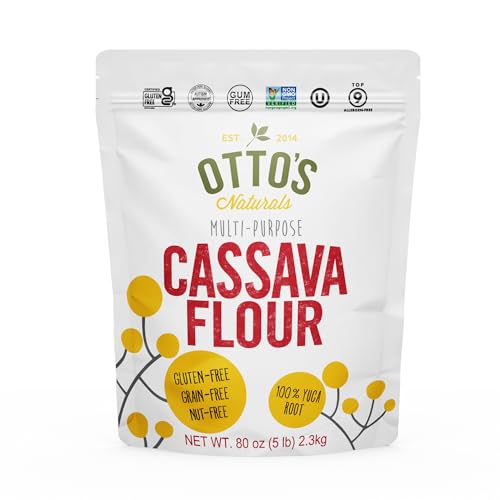
Otto's Naturals Cassava Flour
This flour made from yuca root is a single ingredient and offers the closest texture to all-purpose flour among grain-free options. You can find it on Amazon.
View on AmazonAs an Amazon Associate, we earn from qualifying purchases.
2. Anthony's Blanched Almond Flour
This finely ground almond flour is tested in batches for gluten and offers exceptional value without compromising quality. Made from blanched almonds with skins removed, it provides a clean, neutral base that adds moisture and richness to baked goods while maintaining a light color and smooth texture.
Why we recommend it: Rigorous batch testing for gluten contamination, competitive pricing that makes regular use affordable, and consistently fine grind that eliminates grittiness. The blanching process removes any bitter notes from almond skins, resulting in purely sweet, nutty flavor.
Things to know: Contains tree nuts, so not suitable for nut-free households. Requires recipe modifications when substituting for wheat flour, as almond flour behaves very differently due to its high fat content and lack of gluten-forming proteins.

Anthony's Blanched Almond Flour
This finely ground almond flour is tested in batches for gluten and offers exceptional value without compromising quality. You can find it on Amazon.
View on AmazonAs an Amazon Associate, we earn from qualifying purchases.
3. Simple Mills Almond Flour Baking Mix
This grain-free baking mix combines almond flour, arrowroot, and flax meal to create a versatile base for quick breads and muffins. Simple Mills focuses on clean ingredients without corn, rice, or oats, making it suitable for both grain-free and paleo baking needs.
Why we recommend it: Formulated blend eliminates guesswork in ratios, certified gluten-free processing, and clean ingredient list with no artificial additives or preservatives. The mix provides consistent results and saves time for busy bakers who want grain-free options without measuring multiple flours.
Things to know: More expensive per serving than making your own flour blends, and the mixed nature means less flexibility for customizing recipes. The almond base makes it unsuitable for nut-free households, and results may be denser than wheat-based alternatives.

Simple Mills Almond Flour Baking Mix
This grain-free baking mix combines almond flour, arrowroot, and flax meal to create a versatile base for quick breads and muffins. You can find it on Amazon.
View on AmazonAs an Amazon Associate, we earn from qualifying purchases.
4. Bob's Red Mill Millet Flour
This certified gluten-free flour brings whole grain nutrition with a mild, slightly sweet flavor and light golden color. Millet flour offers moderate protein content and works exceptionally well as part of gluten-free flour blends, providing structure without the heaviness of some other whole grain alternatives.
Why we recommend it: Third-party gluten-free certification ensures safety for celiac baking, widely available in most grocery stores, and offers excellent nutritional profile with iron and B vitamins. The medium fine grind works well in most baking applications without creating texture issues.
Things to know: Works best as 20-30% of a flour blend rather than as a standalone flour, and the whole grain nature means it has a shorter shelf life than refined flours. Store in the refrigerator or freezer for maximum freshness.

Bob's Red Mill Millet Flour
This certified gluten-free flour brings whole grain nutrition with a mild, slightly sweet flavor and light golden color. You can find it on Amazon.
View on AmazonAs an Amazon Associate, we earn from qualifying purchases.
5. Nutiva Organic Coconut Flour
This grain-free, gluten-free flour is made from dried coconut meat and offers incredibly high fiber content with a naturally sweet flavor. Nutiva's organic coconut flour is particularly useful for nut-free households while still providing the benefits of grain-free baking.
Why we recommend it: USDA Organic certification with clean processing methods, naturally nut-free despite being tree nut derived (safe for most nut allergies), and exceptional absorbency that creates light, fluffy textures in pancakes and quick breads. The high fiber content adds nutritional value to baked goods.
Things to know: Absorbs 3-4 times more liquid than almond flour, requiring significant recipe adjustments when substituting. Use only about one-quarter to one-third the amount compared to conventional flour, plus extra eggs or liquid to compensate for its thirsty nature.
6. Organic Gemini Tigernut Flour
Made from tigernuts, which are actually small tubers rather than nuts, this flour provides a unique solution for those avoiding both grains and tree nuts. Organic Gemini's tigernut flour offers a slightly sweet, earthy flavor and works particularly well in cookies and quick breads.
Why we recommend it: Safe for nut allergies despite the name, organic certification ensures clean sourcing, and the natural sweetness reduces the need for added sugars in recipes. The flour provides good structure and moisture in grain-free baking applications.
Things to know: More expensive than conventional alternatives due to specialty sourcing, and the earthy flavor may not appeal to all palates. Works best in recipes where its distinctive taste complements other ingredients rather than competing with them.
How to Choose the Right Clean Baking Flour
- Check certifications: Look for USDA Organic for conventional flours and certified gluten-free labels from reputable third-party organizations for specialty flours.
- Read facility information: Even naturally gluten-free flours can become contaminated during processing, so check for "dedicated facility" or "manufactured in a facility that also processes" warnings.
- Consider your dietary needs: Grain-free doesn't automatically mean gluten-free, and some products still contain corn or oats, which are technically grains.
- Evaluate grind quality: Finer grinds produce smoother textures, especially important for delicate baked goods like cakes and cookies where grittiness is particularly noticeable.
- Plan for blending: Most alternative flours work best when combined with others, so consider purchasing 2-3 complementary flours rather than relying on a single option for all your baking needs.
The cleanest baking starts with understanding what's actually in your flour and how it's processed. Whether you're avoiding grains or simply want organic options, these flours and mixes offer transparency and quality that support both your health goals and your baking success.