
Mold Testing Kits: DNA Analysis and Air Sampling Options for Home Assessment
Mold contamination requires accurate identification before effective remediation can begin. DNA-based testing methods like ERMI (Environmental Relative Moldiness Index) analyze dust samples for 36 mold species, providing comprehensive results that air sampling and surface swabs cannot match. Testing organizations and mold specialists consistently recommend DNA analysis for suspected contamination because it detects accumulated spore material over weeks or months, rather than capturing just a momentary snapshot of airborne particles.
1. ImmunoLytics ERMI Mold Test Kit
This DNA-based dust sampling kit uses the EPA-developed Environmental Relative Moldiness Index protocol to analyze 36 mold species. The kit includes collection materials and prepaid laboratory analysis by an AIHA-accredited facility, with results returned in 5-7 business days.
Key features: ERMI testing uses MSQPCR (Mold Specific Quantitative PCR) technology to identify species that traditional culture methods routinely miss, including toxic Stachybotrys chartarum and Aspergillus versicolor. The analysis detects both living and dead mold spores accumulated in household dust over extended periods, providing a more representative picture than air sampling.
Things to know: At $200-$250, ERMI testing costs significantly more than basic test kits, but the comprehensive species identification is valuable for home purchases, legal disputes, or verification after remediation. Homes that are frequently cleaned may have insufficient dust accumulation for reliable analysis.
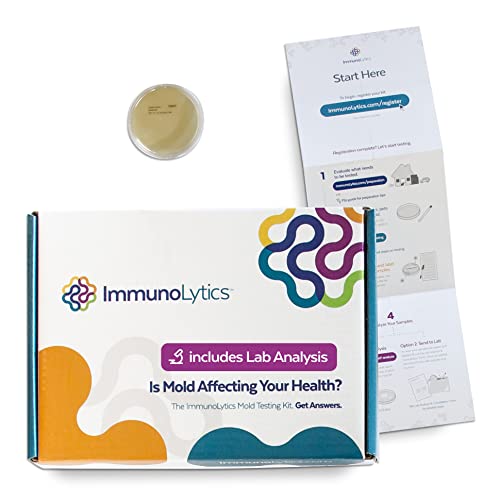
ImmunoLytics ERMI Mold Test Kit
This DNA-based dust sampling kit uses the EPA-developed Environmental Relative Moldiness Index protocol to analyze 36 mold species. You can find it on Amazon.
View on AmazonAs an Amazon Associate, we earn from qualifying purchases.
2. HERTSMI-2 Screening Test
This focused DNA analysis tests for five mold species at high risk, associated with serious health effects, including Stachybotrys chartarum, Aspergillus penicillioides, and Chaetomium globosum. The test provides faster results at roughly half the cost of full ERMI analysis.
Key features: HERTSMI-2 targets the most problematic mold species associated with water damage, making it an efficient screening tool for suspected contamination. The five-species panel includes molds that produce mycotoxins and pose the greatest health risks, particularly for individuals with respiratory sensitivities or compromised immune systems.
Things to know: While more affordable than full ERMI testing, the limited species panel may miss other significant mold problems. Best used as an initial screening tool rather than comprehensive assessment for major remediation decisions.
3. Air Quality Test Kit with Spore Trap Cassettes
This professional-grade air sampling system uses spore trap cassettes to capture airborne mold particles during a measured time period. The kit includes multiple cassettes for testing different rooms and outdoor baseline comparison.
Key features: Air sampling measures current exposure levels by capturing spores people are actually breathing, making it valuable for assessing immediate health risks. The spore trap method provides identification at the genus level and spore counts that can be compared to outdoor baseline levels to determine if indoor concentrations are elevated.
Things to know: Air spore counts fluctuate dramatically based on recent activity, HVAC operation, and weather conditions, so results represent only a brief snapshot. Multiple samples taken at different times provide more reliable data than single measurements.
4. Mycotoxin Test Kit for Air and Dust
This specialized test detects mycotoxins (toxic compounds produced by certain molds) in both air and dust samples. The kit includes collection materials for both sample types and laboratory analysis for multiple mycotoxin families.
Key features: Mycotoxin testing identifies toxic compounds that can persist in indoor environments even after visible mold is removed. The dual sampling approach (air and dust) provides comprehensive assessment of both current exposure and accumulated contamination over time.
Things to know: Mycotoxin testing is more expensive than standard mold identification and may not be necessary unless health symptoms suggest toxic exposure. Results require interpretation by qualified professionals familiar with mycotoxin health effects.
5. Surface Sampling Test Kit with Culture Analysis
This kit includes sterile swabs and culture plates for testing visible mold growth on surfaces. Samples are analyzed in a laboratory to identify mold species and determine viability through culture growth.
Key features: Surface sampling confirms whether visible growth is actually mold and identifies the specific genus present. Culture analysis determines if collected mold is still viable and capable of producing spores, which helps assess the urgency of remediation needs.
Things to know: Surface tests only identify mold at the specific sampling location and provide no information about overall indoor air quality or hidden contamination. Best used to confirm suspected growth rather than comprehensive home assessment.
How to Choose the Right Mold Testing Kit
- Match testing method to your situation: Use ERMI for comprehensive home assessment, HERTSMI-2 for cost-effective screening, air sampling for immediate exposure concerns, and surface tests to confirm visible growth.
- Consider your health concerns: Individuals with respiratory conditions or mold sensitivities benefit most from comprehensive DNA testing that identifies molds like Stachybotrys and Aspergillus that produce mycotoxins.
- Factor in remediation goals: Professional remediation companies often require specific test results for insurance claims or legal documentation. Verify testing requirements before choosing a kit.
- Understand laboratory accreditation: Choose kits that include analysis by AIHA-accredited or EMLAP-certified laboratories for reliable, legally defensible results.
- Budget for verification testing: Testing after remediation ensures successful mold removal. Factor this additional cost into your overall assessment and remediation budget.
Accurate mold testing provides the foundation for effective remediation and protects your family's health. Professional-grade testing methods offer the reliability needed for important decisions about home safety and indoor air quality.