
How to Choose the Right Organic Dairy Products
Organic dairy products offer significant benefits over conventional options, from higher omega-3 content to better animal welfare standards. Reviewers at Ethical Consumer and independent testing organizations consistently highlight brands that prioritize 100% grass-fed practices, regenerative farming, and transparent sourcing. The standout picks in this category are distinguished by USDA Organic certification, pasture-based farming systems, and commitment to sustainable agriculture practices that benefit both consumers and the environment.
1. Maple Hill 100% Grass-Fed Organic Milk
Maple Hill produces exclusively 100% grass-fed organic dairy from cows that never consume grain throughout their lives. Their milk comes from family farms where cows graze on diverse pastures of grasses, legumes, and rye, creating a regenerative system that improves soil health while producing nutrient-rich dairy.
Why it stands out: Studies show that 100% grass-fed milk contains 52% less omega-6 fatty acids than conventional milk and 36% less than standard organic milk, while providing higher levels of beneficial omega-3s and CLA. The regenerative farming practices actively capture carbon from the atmosphere and improve soil health through rotational grazing systems.
Things to know: Maple Hill products typically cost more than standard organic dairy due to the intensive grass-fed farming methods. The rich, creamy taste can be noticeably different from grain-fed milk, with seasonal variations in flavor based on pasture conditions.
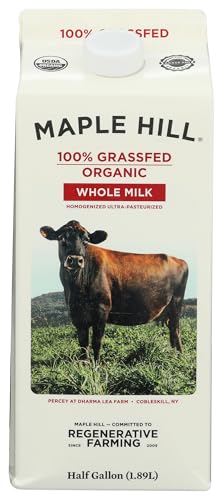
Maple Hill 100% Grass-Fed Organic Milk
Maple Hill produces exclusively 100% grass-fed organic dairy from cows that never consume grain throughout their lives. You can find it on Amazon.
View on AmazonAs an Amazon Associate, we earn from qualifying purchases.
2. Organic Valley Grassmilk
Organic Valley's Grassmilk line comes from cows that graze on organic pastures for the entire growing season, receiving at least 60% of their nutrition from fresh grass and stored forages. This cooperative of family farms has been a pioneer in organic dairy farming since 1988.
Why it stands out: The Grassmilk products provide higher levels of omega-3 fatty acids and CLA compared to conventional milk, while supporting a cooperative of over 1,800 organic family farms. The brand maintains transparent sourcing and pays farmers premium prices for meeting grass-fed standards.
Things to know: Organic Valley Grassmilk is seasonal in some regions, with availability depending on local pasture conditions. The cooperative model means quality can vary slightly between different farm suppliers, though all must meet the same organic standards.

Organic Valley Grassmilk
Organic Valley's Grassmilk line comes from cows that graze on organic pastures for the entire growing season, receiving at least 60% of their nutrition from fresh grass and stored forages. You can find it on Amazon.
View on AmazonAs an Amazon Associate, we earn from qualifying purchases.
3. Nancy's Organic Whole Milk Yogurt
Nancy's produces organic yogurt using live probiotic cultures and milk from cows not treated with synthetic hormones or antibiotics. Their whole milk yogurt contains multiple strains of beneficial bacteria and is made without artificial sweeteners, thickeners, or stabilizers.
Why it stands out: Nancy's yogurt contains significantly more live probiotic cultures than many commercial brands, with some varieties containing over 41 billion CFUs per serving. The company has maintained family ownership since 1960 and sources milk from organic farms in the Pacific Northwest that prioritize animal welfare.
Things to know: The lack of stabilizers means Nancy's yogurt has a thinner consistency than heavily processed alternatives, which some consumers may need to adjust to. The live cultures make it more perishable, requiring careful attention to expiration dates.

Nancy's Organic Whole Milk Yogurt
Nancy's produces organic yogurt using live probiotic cultures and milk from cows not treated with synthetic hormones or antibiotics. You can find it on Amazon.
View on AmazonAs an Amazon Associate, we earn from qualifying purchases.
4. Stonyfield Organic Whole Milk
Stonyfield has been producing organic dairy since 1983 and was the first dairy processor to pay farmers not to use synthetic growth hormones. Their whole milk earned top marks in taste testing for its exceptionally creamy texture and clean flavor that doesn't mask other foods when used in cereal or baking.
Why it stands out: Independent taste testing ranked Stonyfield as the clear winner among nine organic milk brands for its rich mouthfeel and smooth pour. The company maintains strict standards against artificial hormones, antibiotics, and GMOs while supporting farmers who follow organic practices.
Things to know: At around $5.29 per half gallon, Stonyfield costs about $1 more than some store brand organic options. The premium price reflects the company's established commitment to organic farming and superior quality standards.
5. Kalona SuperNatural Organic Butter
Kalona SuperNatural produces artisanal organic butter from cream sourced exclusively from Amish and Mennonite family farms in Iowa. Their butter is churned using traditional methods and contains no artificial ingredients, preservatives, or synthetic hormones.
Why it stands out: The traditional churning process and cream from pasture-raised cows creates a rich, complex flavor profile that's particularly valued by baking enthusiasts. The company works directly with local family farms that have practiced sustainable agriculture for generations, ensuring consistent quality and ethical sourcing.
Things to know: Kalona SuperNatural butter has a shorter shelf life than industrial alternatives due to the absence of preservatives. The artisanal production means it may not be available in all grocery stores, though it's widely available through natural food retailers.
How to Choose the Right Organic Dairy Products
- Look for 100% grass-fed certification: Products from cows that eat only grass and forages provide superior omega-3 content and support regenerative farming practices that benefit soil health.
- Verify USDA Organic certification: This ensures cows aren't treated with synthetic hormones, antibiotics, or fed genetically modified feed, while requiring access to pasture during growing seasons.
- Consider the farming model: Cooperative and family farm operations often provide better transparency and animal welfare standards compared to large industrial organic operations.
- Check for minimal processing: The best organic dairy products avoid artificial thickeners, stabilizers, and preservatives, relying instead on traditional production methods and superior milk quality.
- Factor in seasonal availability: True pasture-based dairy may have seasonal variations in availability and flavor, reflecting the natural cycles of grass growth and cow nutrition.
Choosing organic dairy products supports both personal health and sustainable farming practices. The most important factor is finding brands that prioritize genuine pasture-based farming over meeting minimum organic standards.