
How to Choose Safer Baby Bottle Options
Safer baby bottles have become essential for parents concerned about chemical exposure during feeding. Environmental health experts and pediatric safety organizations consistently highlight bottles made from glass, stainless steel, or medical-grade silicone as better alternatives to plastic, which can release microplastics and endocrine disruptors. The recommended picks in this category combine improved safety profiles with practical features like thermal shock resistance, ergonomic design, and compatibility with standard nipples, though each material has specific temperature and usage considerations.
1. Dr. Brown's Natural Flow Anti-Colic Options+ Glass Baby Bottles with Wide Neck
These borosilicate glass bottles feature Dr. Brown's signature internal vent system that reduces colic, regurgitation, and gas by eliminating air bubbles during feeding. The wide neck design makes cleaning easier, while the thermal shock-resistant glass can handle temperature changes from freezer to bottle warmer without cracking.
Why it stands out: The internal vent system significantly reduces feeding problems, and the borosilicate glass construction resists both thermal shock and chemical leaching. Registry experts frequently recommend Dr. Brown's for parents dealing with colic issues, and the bottles are compatible with most standard wide-neck nipples.
Things to know: The internal vent system requires more parts to clean than standard bottles, and the glass construction makes them heavier than plastic alternatives. The bottles are also more expensive than basic glass options but include the anti-colic technology.

Dr. Brown's Natural Flow Anti-Colic Options+ Glass Baby Bottles with Wide Neck
These borosilicate glass bottles feature Dr. You can find it on Amazon.
View on AmazonAs an Amazon Associate, we earn from qualifying purchases.
2. Pura Kiki Stainless Steel Infant Bottles
Pura's bottles are made from medical-grade stainless steel with no plastic components whatsoever, making them completely plastic-free. The bottles feature a natural vent nipple system and can be converted from infant bottles to sippy cups and water bottles as children grow, extending their useful life significantly.
Why it stands out: Pura is recommended by safety experts as the only completely plastic-free bottle option, and the manufacturer states no lead solder is used in construction. The modular design allows the same bottle to serve from infancy through childhood, and the stainless steel construction is virtually unbreakable.
Things to know: The stainless steel material means you cannot see liquid levels or check for proper mixing of formula. The bottles are also among the most expensive options, though the convertible design provides long-term value.

Pura Kiki Stainless Steel Infant Bottles
Pura's bottles are made from medical-grade stainless steel with no plastic components whatsoever, making them completely plastic-free. You can find it on Amazon.
View on AmazonAs an Amazon Associate, we earn from qualifying purchases.
3. Lifefactory Glass Baby Bottles with Silicone Sleeve
These borosilicate glass bottles come with colorful silicone sleeves that provide grip and protection against breakage. The ergonomic design makes them easy to hold during feeding, and the thermal shock-resistant glass allows safe transitions from refrigerator to bottle warmer.
Why it stands out: The Filtery's testing shows these bottles can be safely frozen with breast milk inside due to their thermal shock resistance, and the silicone sleeve significantly reduces breakage risk. The bottles come in multiple sizes and vibrant colors that many parents and babies prefer.
Things to know: While the silicone sleeve helps prevent breakage, it can make the bottles bulkier and harder to fit in some bottle warmers or car cup holders. The sleeves also need separate cleaning and can retain odors over time.

Lifefactory Glass Baby Bottles with Silicone Sleeve
These borosilicate glass bottles come with colorful silicone sleeves that provide grip and protection against breakage. You can find it on Amazon.
View on AmazonAs an Amazon Associate, we earn from qualifying purchases.
4. Comotomo Natural Feel Baby Bottles
Made from medical-grade silicone, these bottles mimic the natural feel and movement of breastfeeding with their soft, squeezable design. The wide neck opening and simple two-piece construction make cleaning straightforward, while the dual anti-colic vents prevent air intake during feeding.
Why it stands out: Parents consistently report high acceptance rates from breastfed babies due to the natural feel design, and safety experts note that medical-grade silicone is significantly safer than plastic alternatives under normal feeding conditions. The bottles are lightweight and virtually unbreakable, making them ideal for travel.
Things to know: Research suggests silicone may leach chemicals at very high or very low temperatures, so these bottles should be used at room temperature or body temperature rather than for hot liquids or freezer storage. They're also more expensive than plastic bottles.
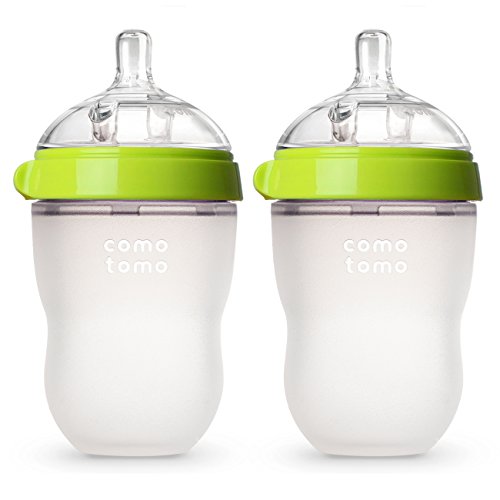
Comotomo Natural Feel Baby Bottles
Made from medical-grade silicone, these bottles mimic the natural feel and movement of breastfeeding with their soft, squeezable design. You can find it on Amazon.
View on AmazonAs an Amazon Associate, we earn from qualifying purchases.
5. Natursutten Glass Baby Bottles with Natural Rubber Nipples
These glass bottles made in Europe pair borosilicate glass construction with 100% natural rubber nipples that are free from synthetic materials. The bottles feature a classic design with measurement markings and are compatible with most standard bottle accessories.
Why it stands out: Environmental health experts consistently recommend natural rubber nipples as the safest option for babies, avoiding the synthetic additives found in conventional nipples. The combination of glass bottle and natural rubber nipple creates a completely non-synthetic feeding system.
Things to know: Natural rubber nipples have a shorter lifespan than silicone and may develop a slight taste over time. The bottles lack modern features like anti-colic vents, and the natural rubber nipples are not compatible with all bottle brands if you want to mix and match.
How to Choose the Right Safer Baby Bottle
- Prioritize material safety: Glass and stainless steel offer the highest safety profiles under all conditions, while medical-grade silicone provides a lighter alternative for normal temperature use. Avoid all plastic bottles, including those labeled "BPA-free," as they can still contain harmful chemicals and release microplastics.
- Consider temperature limitations: Glass and stainless steel handle all temperatures safely, but silicone bottles should be used within normal feeding temperature ranges. Avoid extreme hot or cold temperatures with silicone to prevent potential chemical leaching.
- Verify lead-free status: Choose glass bottles from manufacturers that have conducted third-party lead testing, as some brands have been found to contain lead in recent testing. Avoid glass bottles with painted logos or decorative elements on the outside.
- Match nipples to safety goals: Natural rubber nipples are the safest option but have shorter lifespans, while medical-grade silicone nipples are more durable. Avoid synthetic latex nipples, which can contain concerning additives.
- Plan for your feeding style: If you primarily breastfeed, prioritize bottles that babies readily accept for occasional use. If bottle-feeding full-time, focus on designs that are easy to clean and consider buying multiple bottles from the same system for consistency.
The most important factor in choosing safer baby bottles is selecting materials that reduce chemical exposure during feeding. Glass and stainless steel provide the highest safety margins under all conditions, while medical-grade silicone offers a practical middle ground for parents seeking lighter, unbreakable options within normal temperature ranges.