
9 Best Clean Protein Bars and Pantry Snacks for 2026
Finding a protein bar that actually tastes good while delivering clean nutrition is harder than it should be. Most bars marketed as "healthy" are essentially candy with a protein label slapped on the wrapper, loaded with sugar alcohols that cause bloating, seed oils that promote inflammation, and artificial sweeteners that disrupt gut health. If you're serious about clean eating, you need bars built on real protein, whole food ingredients, and honest macros. This guide cuts through the marketing noise to recommend nine protein bars and pantry staples that deliver genuine nutrition without compromise.
1. David Protein Bars
Built for people who actually track macros, David Bars deliver 20-22 grams of high-quality protein with just 3-7 grams of fiber and low sugar content, all in roughly 200-260 calories. The formula uses whey protein isolate for fast digestion, nut butters for healthy fats, natural sweeteners, and oats or crisped proteins depending on flavor. These bars are engineered for satiety and sustained energy, not for tasting like dessert.
Why we recommend it: The macro profile is genuinely athlete-focused: high protein, balanced fats, and fiber without sugar alcohol gut-bombs. The clean ingredient approach means no mystery chemicals or additives. These bars are particularly effective for post-workout recovery and for people building high-protein diets around real food.
Things to know: The texture is dense rather than soft or nougat-like, which appeals to some but not everyone. They're priced higher than conventional bars. The flavor selection is smaller than mainstream brands, and they're marketed toward serious fitness enthusiasts rather than casual snackers.

David Protein Bars
Built for people who actually track macros, David Bars deliver 20-22 grams of high-quality protein with just 3-7 grams of fiber and low sugar content, all in roughly 200-260 calories. You can find it on Amazon.
View on AmazonAs an Amazon Associate, we earn from qualifying purchases.
2. Atlas Bars
Atlas Bars deliver 20 grams of protein with just 1 gram of sugar and no seed oils, built for performance rather than indulgence. The clean formula focuses on functional nutrition: high protein, low sugar, and ingredients that support athletic recovery. These bars are specifically designed to avoid the digestive distress common with mainstream protein bars.
Why we recommend it: The combination of high protein, minimal sugar, and zero seed oils makes these bars ideal for athletes and anyone avoiding inflammatory ingredients. The clean label means no artificial sweeteners or mystery additives. These bars are particularly effective for post-workout recovery when your body needs fast-absorbing amino acids without digestive complications.
Things to know: These are performance bars first, dessert bars second. The flavor profile is more straightforward than indulgent options. They're priced at the premium end of the market. Best suited for gym-goers and athletes rather than casual snackers.

Atlas Bars
Atlas Bars deliver 20 grams of protein with just 1 gram of sugar and no seed oils, built for performance rather than indulgence. You can find it on Amazon.
View on AmazonAs an Amazon Associate, we earn from qualifying purchases.
3. IQ Bars
IQ Bars are marketed as "candy that makes sense," delivering 10 grams of protein, 0 grams of sugar, and just 100 calories while tasting genuinely dessert-like. The formula uses clean sweeteners and focuses on brain-supporting nutrients like MCT oil and lion's mane mushroom. These bars are vegan, keto-friendly, and made with clean label ingredients.
Why we recommend it: The combination of low calories, zero sugar, and actual dessert flavor makes these bars effective for people managing cravings without derailing their nutrition. The inclusion of functional ingredients like lion's mane adds cognitive support beyond basic protein. The vegan formula makes them accessible to dairy-free eaters.
Things to know: The 10-gram protein content is lower than performance-focused bars, making these better for snacking than post-workout recovery. The MCT oil content may cause digestive sensitivity in some people. These are better suited for satisfying sweet cravings than for serious athletic nutrition.
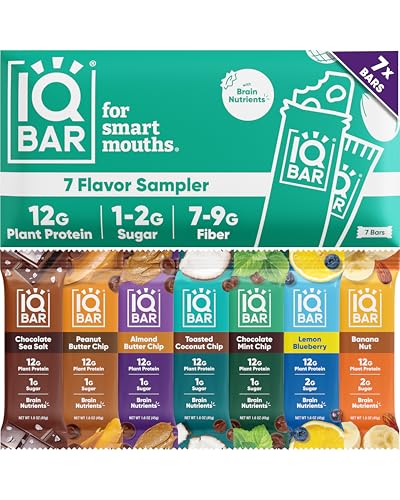
IQ Bars
IQ Bars are marketed as "candy that makes sense," delivering 10 grams of protein, 0 grams of sugar, and just 100 calories while tasting genuinely dessert-like. You can find it on Amazon.
View on AmazonAs an Amazon Associate, we earn from qualifying purchases.
4. Julian Bakery Protein Bars
Julian Bakery bars are known for ultra-low-carb, high-protein formulas sweetened with monk fruit rather than sugar alcohols. Made with grass-fed whey or egg white protein, these bars are a keto favorite. The formula delivers serious protein without the digestive issues common with erythritol and maltitol-based bars.
Why we recommend it: The use of monk fruit instead of sugar alcohols eliminates the bloating and gas that plague many "low-carb" bars. Grass-fed whey protein provides superior omega-3 content compared to conventional sources. These bars are genuinely keto-friendly without the digestive compromises of other low-carb options.
Things to know: Monk fruit has a slightly different taste profile than other sweeteners, which some people love and others find unusual. These bars are specifically formulated for keto and low-carb diets, making them less ideal for people not following those approaches. They're priced at the premium end of the market.
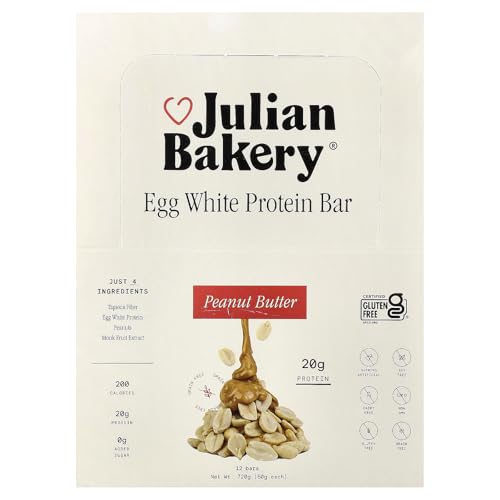
Julian Bakery Protein Bars
Julian Bakery bars are known for ultra-low-carb, high-protein formulas sweetened with monk fruit rather than sugar alcohols. You can find it on Amazon.
View on AmazonAs an Amazon Associate, we earn from qualifying purchases.
5. Bearded Brothers Organic Bars
Bearded Brothers makes organic, small-batch bars with bold, creative flavors like Almond Butter Chocolate, Raspberry Lemon, and Blueberry Vanilla. These bars are vegan, organic, and made with real ingredients, delivering around 15 grams of protein per bar. The small-batch approach means higher quality control and fresher ingredients.
Why we recommend it: The organic certification and small-batch production ensure higher ingredient quality than mass-manufactured bars. The creative flavor combinations make these bars genuinely enjoyable rather than just functional. The vegan formula makes them accessible to dairy-free eaters. The moderate protein content (around 15 grams) is suitable for general snacking and light recovery.
Things to know: The protein content is moderate rather than high, making these less ideal for serious athletes. Availability may be limited compared to mainstream brands. The small-batch approach means less consistent availability of specific flavors. They're priced at the premium end due to organic certification and small-batch production.

Bearded Brothers Organic Bars
Bearded Brothers makes organic, small-batch bars with bold, creative flavors like Almond Butter Chocolate, Raspberry Lemon, and Blueberry Vanilla. You can find it on Amazon.
View on AmazonAs an Amazon Associate, we earn from qualifying purchases.
6. Hu Kitchen Chocolate Bars
While not a traditional protein bar, Hu Kitchen's vegan chocolate bars deserve inclusion in a clean snacking guide. Made with short ingredient lists that let quality cacao shine, these bars are studded with crunchy quinoa or swirled with creamy nut butter. The formula avoids artificial sweeteners and focuses on real chocolate quality.
Why we recommend it: The commitment to ingredient simplicity and quality cacao makes these bars genuinely satisfying for chocolate cravings without artificial additives. The vegan formula is accessible to dairy-free eaters. These bars are particularly effective for people seeking clean dessert options without the protein-bar texture. The focus on real chocolate quality means better flavor and satisfaction from smaller portions.
Things to know: These are not high-protein bars and shouldn't be relied upon for post-workout recovery. They're better suited for satisfying chocolate cravings than for athletic nutrition. The price point is premium due to quality cacao sourcing. These are dessert-focused rather than performance-focused snacks.

Hu Kitchen Chocolate Bars
While not a traditional protein bar, Hu Kitchen's vegan chocolate bars deserve inclusion in a clean snacking guide. You can find it on Amazon.
View on AmazonAs an Amazon Associate, we earn from qualifying purchases.
7. That's All Protein Bars
These bars set the standard for what clean protein actually means: 15 grams of grass-fed whey protein, just 4-7 organic ingredients, and zero artificial sweeteners or sugar alcohols. The formula is deliberately minimal, using whole food carbs from dates and nuts instead of processed sugars. Each bar contains roughly 9 grams of sugar from whole food sources, providing steady energy without the crash.
Why we recommend it: Grass-fed whey protein contains up to 5 times more omega-3 fatty acids than conventional dairy, supporting inflammation reduction and joint health critical for athletes. The absence of sugar alcohols means no bloating, gas, or digestive distress during or after workouts. The clean ingredient list makes these bars suitable for anyone avoiding processed additives.
Things to know: These bars are denser and less dessert-like than mainstream options, which some people prefer and others find less indulgent. They cost more than low-protein grocery store bars. The flavor variety is more limited than mass-market brands, though the available flavors are well-executed.
8. Skout Organic Bars
Skout Organic Bars are made with just a handful of organic, plant-based ingredients: dates, peanut flour, and sea salt, with no fillers or artificial additives. These bars are vegan and gluten-free, delivering whole food nutrition without processing. The simplicity of the ingredient list makes these bars ideal for people seeking transparency and minimal processing.
Why we recommend it: The organic certification and minimal ingredient list provide genuine transparency about what you're eating. The absence of artificial ingredients, sweeteners, and preservatives makes these bars suitable for people with sensitive digestion or strict clean-eating standards. The whole food approach aligns with real-food-first nutrition philosophy.
Things to know: The protein content is moderate rather than high, making these better for snacking than post-workout recovery. The flavor profile is simple and straightforward rather than indulgent. These bars are less suitable for people with peanut allergies. They're priced higher than conventional bars due to organic certification.
9. GRYP Bars
GRYP Bars stand out for delivering 25 grams of high-quality protein with a slow, steady release designed for long-lasting fuel. Made without sugar alcohols, artificial ingredients, or junk fillers, these bars prioritize real ingredients and clean macros. The slow-release formula prevents the energy crash common with high-sugar bars.
Why we recommend it: The 25-gram protein content is among the highest available, making these bars excellent for serious athletes and people with elevated protein requirements. The absence of sugar alcohols eliminates digestive issues. The slow-release mechanism provides sustained energy without blood sugar spikes.
Things to know: Higher protein content means a denser bar that requires more chewing. These are premium-priced. They're best suited for people with genuine high-protein needs rather than casual snackers looking for a light treat.
How to Choose the Right Clean Protein Bar
- Check the protein source: Grass-fed whey protein contains significantly more omega-3 fatty acids than conventional whey, supporting inflammation reduction and recovery. If you're vegan, look for pea protein rather than soy protein, which has lower leucine content and slower absorption.
- Avoid sugar alcohols and artificial sweeteners: Erythritol, maltitol, and sorbitol ferment in the gut, causing bloating, gas, and cramping during or after workouts. Sucralose and aspartame may disrupt gut bacteria, affecting nutrient absorption and immune function. Look for bars sweetened with monk fruit, stevia, or whole food sources like dates.
- Scan for seed oils: Canola, sunflower, soybean, and palm oils are high in omega-6 fatty acids, which promote inflammation and slow recovery. Look for bars using coconut oil, nut butters, or no added oils.
- Match protein content to your goal: For post-workout recovery, choose bars with 15-20 grams of protein to maximize muscle protein synthesis. For general snacking, 10-15 grams is sufficient. For serious athletes, 20-25 grams provides optimal amino acid delivery.
- Read the full ingredient list: If you can't recognize or pronounce an ingredient, research it. Clean bars should have 10 or fewer ingredients, with whole foods listed first. Avoid bars with long lists of additives, thickeners, or mystery "natural flavors."
Clean protein bars aren't about finding the "perfect" bar for everyone; they're about finding the right bar for your specific goals and dietary preferences. Whether you're an athlete needing serious post-workout recovery, someone managing cravings on a keto diet, or simply seeking transparent, whole-food snacking, the bars on this list deliver genuine nutrition without compromise. The key is reading labels carefully, understanding what your body actually needs, and choosing bars built on real protein and real ingredients rather than marketing claims.