
7 Best Shower Filters and Water Testing Kits for 2026
Clean water shouldn't be a luxury, but many homes deal with chlorine, heavy metals, PFAS, and other contaminants that affect skin, hair, and overall health. The best shower filters and water testing kits help you identify what's in your water and remove harmful substances effectively. I evaluated these picks based on third-party certifications, proven filtration capacity, and real-world performance data.
1. Weddell Duo Shower Filter
The Weddell Duo stands out as the most comprehensive shower filter available, targeting multiple contaminants that other filters miss. This inline attachment works with any existing showerhead or handheld setup while maintaining strong water pressure. It's the only NSF-certified shower filter that removes 99% of PFAS for 5,000 gallons, plus 96% of microplastics and 87% of chlorine for 8,000 gallons.
Why we recommend it: Third-party certified performance data, removes the widest range of contaminants including PFAS and microplastics, and maintains excellent water pressure. The company displays all test results prominently on their website, showing genuine transparency about what the filter actually removes.
Things to know: Higher upfront cost than basic chlorine-only filters, and replacement filters are needed every 6-8 months depending on usage. The comprehensive filtration comes at a premium price point.

Weddell Duo Shower Filter
The Weddell Duo stands out as the most comprehensive shower filter available, targeting multiple contaminants that other filters miss. You can find it on Amazon.
View on AmazonAs an Amazon Associate, we earn from qualifying purchases.
2. Aquasana Shower Filter
Aquasana delivers reliable chlorine removal for those primarily concerned with skin and hair health. This attachment works with existing shower heads and removes 80-90% of chlorine for 10,000 gallons, roughly six months of daily showering for two people. The company focuses specifically on chlorine filtration rather than making unverified claims about other contaminants.
Why we recommend it: Proven track record for chlorine removal, honest marketing without false claims, and straightforward twice-yearly filter replacement schedule. Particularly effective for people with eczema, asthma, or dry hair caused by chlorine exposure.
Things to know: Only targets chlorine, not other contaminants like heavy metals or PFAS. If your water has multiple contamination issues beyond chlorine, you'll need a more comprehensive system.

Aquasana Shower Filter
Aquasana delivers reliable chlorine removal for those primarily concerned with skin and hair health. You can find it on Amazon.
View on AmazonAs an Amazon Associate, we earn from qualifying purchases.
3. Multipure Shower Filter Attachment
Multipure offers the longest-lasting certified shower filter option, using 100% KDF-55 media to meet NSF 177 standards. This attachment removes at least 50% of chlorine for an impressive 25,000 gallons, which translates to about a year or more for two people. The system works with any standard showerhead or handheld shower hose.
Why we recommend it: WQA-certified performance and exceptional filter longevity that minimizes maintenance. Perfect for busy households that want consistent chlorine reduction without frequent filter changes.
Things to know: Lower chlorine removal percentage compared to Aquasana, and not verified for PFAS removal. The longer filter life comes with a trade-off in removal efficiency.
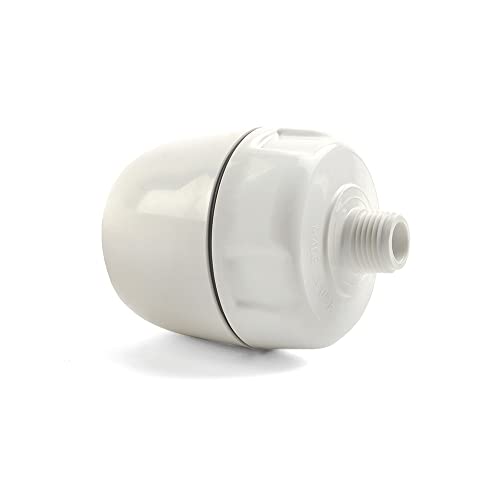
Multipure Shower Filter Attachment
Multipure offers the longest-lasting certified shower filter option, using 100% KDF-55 media to meet NSF 177 standards. You can find it on Amazon.
View on AmazonAs an Amazon Associate, we earn from qualifying purchases.
4. TapScore Advanced City Water Test
Before choosing any filtration system, you need to know what's actually in your water. TapScore's Advanced City Water Test analyzes 120+ contaminants including heavy metals, PFAS, pesticides, and disinfection byproducts. The lab-certified results come with clear explanations and specific filtration recommendations based on your water chemistry.
Why we recommend it: Comprehensive testing that reveals exactly what contaminants you're dealing with, plus actionable recommendations for treatment. Uses EPA-certified laboratories and provides easy-to-understand results that help you choose the right filtration approach.
Things to know: Higher cost than basic test strips, but the detailed analysis is essential for making informed filtration decisions. Results take 7-10 business days after the lab receives your sample.

TapScore Advanced City Water Test
Before choosing any filtration system, you need to know what's actually in your water. You can find it on Amazon.
View on AmazonAs an Amazon Associate, we earn from qualifying purchases.
5. Safe Home Well Water Test Kit
Well water presents unique challenges that city water testing doesn't cover. This comprehensive kit tests for bacteria, heavy metals, pesticides, and other contaminants common in private wells. The kit includes everything needed for sample collection and uses EPA-certified laboratories for accurate results.
Why we recommend it: Specifically designed for well water concerns including bacteria testing that's crucial for private water supplies. Includes detailed instructions for proper sample collection and provides results that help determine if your well water is safe to drink.
Things to know: Well water testing is more complex than city water, and you may need follow-up testing if contamination is found. Some contaminants require specialized treatment that goes beyond basic filtration.

Safe Home Well Water Test Kit
Well water presents unique challenges that city water testing doesn't cover. You can find it on Amazon.
View on AmazonAs an Amazon Associate, we earn from qualifying purchases.
6. AquaYouth Carbon-Vitamin C Combo Filter
This unique system tackles chloramine, a disinfectant that's much harder to remove than regular chlorine and now affects one in five homes. The refillable filter uses a combination of NSF 177 certified carbon and vitamin C powder to neutralize both chlorine and chloramine effectively. You simply add vitamin C powder every four weeks to maintain peak performance.
Why we recommend it: The only effective shower filter option for chloramine removal, which standard carbon filters struggle with. Transparent about NSF testing and helps debunk common shower filter myths. Vitamin C powder refills are inexpensive and widely available.
Things to know: Requires monthly maintenance to add vitamin C powder, making it more hands-on than other options. Filter capacity is lower at 3,500 gallons for chlorine removal, meaning more frequent carbon filter changes.
7. First Alert Heavy Metal Water Test
This affordable test specifically targets heavy metals including lead, copper, iron, and zinc that can leach from old plumbing. The simple test strips provide results in minutes, making it a quick way to check for metal contamination before investing in more comprehensive testing or filtration.
Why we recommend it: Quick and affordable screening for heavy metal contamination, especially useful for homes with older plumbing. Results are immediate, and the test is simple enough for regular monitoring.
Things to know: Test strips are less precise than laboratory analysis and only cover a limited range of metals. If you get positive results, follow up with professional laboratory testing for confirmation and more detailed analysis.
How to Choose the Right Shower Filter and Water Testing
- Test first, filter second: Water testing reveals what contaminants you're actually dealing with, preventing you from buying the wrong type of filter. City water and well water have different contamination patterns that require different treatment approaches.
- Look for third-party certifications: NSF, WQA, or EPA certifications mean the filter has been independently tested to remove specific contaminants. Avoid filters that make vague claims without certification backing.
- Match the filter to your water chemistry: Chlorine filters won't remove heavy metals, and basic carbon won't eliminate PFAS. Choose a system designed for your specific contamination issues rather than assuming one filter handles everything.
- Consider maintenance requirements: Some filters need monthly attention while others last a full year. Factor in replacement costs and your willingness to perform regular maintenance when choosing a system.
- Don't fall for marketing hype: Shower filters cannot effectively remove all contaminants, despite what some companies claim. Be skeptical of filters promising to remove dozens of different substances without specific certification data.
Clean water is essential for your family's health, and the right combination of testing and filtration makes a real difference. Start with water testing to understand what you're dealing with, then choose a certified filter designed for your specific contamination issues rather than hoping one system handles everything.