
7 Best PFAS-Free Cookware Options for Safe, Non-Toxic Cooking in 2026
Choosing cookware means choosing what touches your food every day. Traditional nonstick pans often contain PFAS, or "forever chemicals," that accumulate in your body and the environment. This guide evaluates the safest, most durable PFAS-free cookware options based on real performance testing, longevity, and health impact. We've analyzed ceramic-coated, stainless steel, cast iron, and carbon steel options to help you invest in cookware that protects your family's health while delivering years of reliable cooking performance.
1. GreenPan Valencia Pro 11-Piece Ceramic Nonstick Set
The GreenPan Valencia Pro is the only NSF-certified ceramic nonstick cookware on the market, featuring a diamond-infused Thermolon 9G coating that is completely free of PFAS, PFOA, and PTFE. The set includes three frying pans (8", 9.5", and 11"), two saucepans with lids (2-quart and 3-quart), a 3-quart sauté pan with lid, and a 5-quart stockpot with lid. The hard-anodized aluminum body provides superior heat distribution and scratch resistance compared to standard ceramic cookware. America's Test Kitchen awarded the Valencia Pro best ceramic nonstick for both 8-inch and 11-inch fry pans, a distinction no other ceramic brand holds.
Why we recommend it: The diamond-infused ceramic coating delivers 10 times the scratch resistance of standard ceramic coatings, extending the pan's useful life. The set is oven-safe to 600 degrees Fahrenheit, making it versatile for stovetop-to-oven cooking. NSF certification confirms the absence of harmful chemicals, and the hard-anodized construction resists warping and hot spots. Metal utensils are safe on this coating, unlike most ceramic alternatives.
Things to know: Ceramic coatings typically last 2 to 4 years with proper care, which is shorter than stainless steel or cast iron. Hand washing is recommended to extend coating life, as dishwasher use can degrade the surface prematurely. The set is more expensive than budget ceramic options, and the nonstick performance will gradually diminish over time regardless of care. Maximum heat tolerance is 600 degrees Fahrenheit, limiting use for very high-heat searing compared to stainless steel.

GreenPan Valencia Pro 11-Piece Ceramic Nonstick Set
The GreenPan Valencia Pro is the only NSF-certified ceramic nonstick cookware on the market, featuring a diamond-infused Thermolon 9G coating that is completely free of PFAS, PFOA, and PTFE. You can find it on Amazon.
View on AmazonAs an Amazon Associate, we earn from qualifying purchases.
2. Tramontina 12-Piece Tri-Ply Stainless Steel Cookware Set
The Tramontina 12-piece set offers near All-Clad performance at under $200, featuring tri-ply construction with an aluminum core sandwiched between stainless steel layers for even heat distribution. The set includes 8-inch and 10-inch frying pans, 1.5-quart and 2.5-quart saucepans with lids, a 3-quart sauté pan with lid, an 8-quart stockpot with lid, and a steamer insert. The stainless steel is naturally PFAS-free with no chemical coatings, and the tri-ply base works on all cooktop types, including induction.
Why we recommend it: Stainless steel cookware is inherently non-toxic because it contains no PFAS, PFOA, or synthetic coatings. The tri-ply construction eliminates hot spots and ensures even cooking across the entire pan surface. Stainless steel cookware lasts 20 to 30 years or more with proper care, making the long-term cost per year of use lower than ceramic alternatives despite higher upfront cost. Metal utensils, dishwasher cleaning, and high-heat cooking are all safe, reducing maintenance burden. The set is versatile for searing, deglazing, building pan sauces, and braising.
Things to know: Stainless steel requires technique to prevent sticking; preheating the pan and waiting for oil to shimmer before adding food takes about a week of practice to master. Trace amounts of nickel can leach into highly acidic foods like tomato sauce or vinegar-based dishes when cooked for extended periods, though amounts remain within established dietary safety limits for most people. Those with diagnosed nickel allergies should consider ceramic-coated or 18/0 nickel-free stainless steel alternatives instead. The set does not have a nonstick surface, so eggs and delicate foods require more oil or butter than ceramic pans.

Tramontina 12-Piece Tri-Ply Stainless Steel Cookware Set
The Tramontina 12-piece set offers near All-Clad performance at under $200, featuring tri-ply construction with an aluminum core sandwiched between stainless steel layers for even heat distribution. You can find it on Amazon.
View on AmazonAs an Amazon Associate, we earn from qualifying purchases.
3. Lodge Cast Iron Skillet (10-Inch Pre-Seasoned)
Lodge cast iron skillets are American-made, pre-seasoned cast iron that arrives ready to cook without additional seasoning. The 10-inch skillet is the most versatile size for everyday cooking, from breakfast eggs to seared steaks to baked cornbread. Cast iron is naturally PFAS-free, containing no synthetic coatings or chemical treatments. The pre-seasoning uses vegetable oil, creating an initial nonstick surface that improves with every use.
Why we recommend it: Cast iron is the ultimate PFAS-free cookware, with zero synthetic chemicals and no coatings to degrade over time. A properly seasoned cast iron pan can last a lifetime and often improves with age, developing a slicker nonstick surface as seasoning layers build up. Cast iron excels at high-heat cooking, searing proteins, and heat retention for braising and slow cooking. The cookware is inexpensive, durable, and can be passed down through generations. Iron leaching from cast iron is generally beneficial for most people, providing dietary iron.
Things to know: Cast iron is heavy, which can be tiring for some cooks during extended cooking sessions. The pan requires seasoning maintenance; acidic foods like tomato sauce can degrade the seasoning layer and require re-seasoning afterward. Hand washing is essential, and the pan must be dried immediately to prevent rust. Those with iron-related health conditions like hemochromatosis should consult a doctor before cooking regularly in cast iron, as iron leaching may be a concern. The learning curve for seasoning and maintenance is steeper than ceramic or stainless steel, though pre-seasoned pans reduce initial effort.
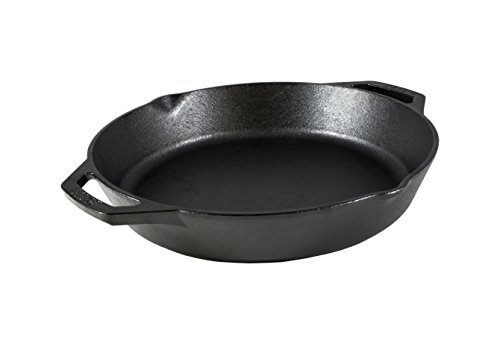
Lodge Cast Iron Skillet (10-Inch Pre-Seasoned)
Lodge cast iron skillets are American-made, pre-seasoned cast iron that arrives ready to cook without additional seasoning. You can find it on Amazon.
View on AmazonAs an Amazon Associate, we earn from qualifying purchases.
4. Misen Pre-Seasoned Carbon Steel Pan (10-Inch)
Misen's carbon steel pan is pre-seasoned and ready to use, offering a lighter-weight alternative to cast iron with faster heat responsiveness. Carbon steel is naturally PFAS-free, developing a seasoned nonstick surface through use, similar to cast iron but with superior heat control for high-heat cooking techniques like searing and stir-frying. The 10-inch size is ideal for everyday cooking, from eggs to proteins to vegetables.
Why we recommend it: Carbon steel combines the PFAS-free durability of cast iron with faster temperature adjustments, making it ideal for cooks who need precise heat control. The seasoning surface improves with use, building layers that become increasingly nonstick over time rather than degrading like ceramic coatings. Carbon steel is lighter than cast iron, reducing hand fatigue during cooking. The pan excels at high-heat cooking, searing, and stir-frying, and can last decades with proper care. Like cast iron, it requires no replacement and has zero synthetic chemicals.
Things to know: Carbon steel requires seasoning maintenance similar to cast iron; acidic foods degrade the seasoning faster than neutral or fatty foods. Hand washing and immediate drying are essential to prevent rust. The pan is heavier than stainless steel but lighter than cast iron, which may still be a consideration for some cooks. Seasoning must be maintained through regular use and occasional re-seasoning, requiring more effort than ceramic or stainless steel cookware. The nonstick surface develops gradually over weeks of use, so initial cooking may require more oil than ceramic pans.

Misen Pre-Seasoned Carbon Steel Pan (10-Inch)
Misen's carbon steel pan is pre-seasoned and ready to use, offering a lighter-weight alternative to cast iron with faster heat responsiveness. You can find it on Amazon.
View on AmazonAs an Amazon Associate, we earn from qualifying purchases.
5. All-Clad D3 10-Piece Stainless Steel Cookware Set
All-Clad D3 represents the premium tier of stainless steel cookware, featuring tri-ply construction with an aluminum core and stainless steel exterior and interior. The 10-piece set includes 8-inch and 10-inch frying pans, 1.5-quart and 3-quart saucepans with lids, a 3-quart sauté pan with lid, and an 8-quart stockpot with lid. All-Clad is manufactured in the United States and is completely PFAS-free, with no nonstick coatings or chemical treatments.
Why we recommend it: All-Clad is the gold standard in stainless steel cookware, offering exceptional heat distribution and durability that justifies the premium price for serious home cooks and professionals. The tri-ply construction ensures even heating without hot spots, critical for precise cooking. Stainless steel is naturally non-toxic with no PFAS or synthetic coatings, and the cookware lasts 20 to 30 years or more, making it a true lifetime investment. The set is versatile for all cooking techniques, from delicate sauces to high-heat searing, and is fully dishwasher-safe and metal utensil-safe.
Things to know: All-Clad is significantly more expensive than Tramontina or other budget stainless steel options, with a price point several times higher. The higher cost may not be justified for casual home cooks who don't require professional-grade performance. Stainless steel requires technique to prevent sticking, and the learning curve is steeper than ceramic nonstick cookware. Trace nickel leaching is possible with acidic foods, though amounts are within safety limits for most people. The set does not include a Dutch oven or larger specialty pieces that some cooks may want.

All-Clad D3 10-Piece Stainless Steel Cookware Set
All-Clad D3 represents the premium tier of stainless steel cookware, featuring tri-ply construction with an aluminum core and stainless steel exterior and interior. You can find it on Amazon.
View on AmazonAs an Amazon Associate, we earn from qualifying purchases.
6. Caraway 7-Piece Ceramic Nonstick Cookware Set
Caraway delivers PFAS-free ceramic nonstick cookware at a mid-range price point around $395 for the 7-piece set. The set includes 8-inch and 10-inch frying pans, 2-quart and 3-quart saucepans with lids, and a 4.5-quart Dutch oven with lid. The ceramic coating is applied over an aluminum base, and the cookware is free of PFAS, PFOA, PTFE, and other harmful forever chemicals. Caraway emphasizes transparency about materials and manufacturing, making it a trusted choice for health-conscious cooks.
Why we recommend it: Caraway offers genuine PFAS-free ceramic nonstick at a lower price than premium brands like GreenPan, making it accessible for budget-conscious buyers. The ceramic coating provides excellent nonstick performance when new, releasing eggs and delicate foods without oil. The set is oven-safe to 400 degrees Fahrenheit and includes a Dutch oven, expanding cooking versatility. Consumer Reports testing found ceramic-coated pans completely clean of all 96 PFAS compounds screened, confirming the safety claims.
Things to know: Like all ceramic coatings, the nonstick surface degrades over 2 to 3 years of daily use, requiring eventual replacement. Hand washing is essential; dishwasher use significantly shortens coating lifespan. The maximum oven temperature of 400 degrees Fahrenheit is lower than GreenPan's 600 degrees, limiting some cooking applications. Metal utensils may scratch the coating, so silicone or wooden utensils are recommended. The set does not include larger stockpots, which some cooks may need for soups or pasta.
7. Xtrema Pure Ceramic Cookware (10-Inch Frying Pan)
Xtrema pure ceramic cookware is made entirely from fired clay without any metal core or synthetic coatings, offering a completely different approach to ceramic cooking. The 10-inch frying pan is PFAS-free, PTFE-free, and contains no metal components that could leach into food. Pure ceramic is microwave-safe, oven-safe to 400 degrees Fahrenheit, and naturally non-toxic.
Why we recommend it: Pure ceramic cookware is ideal for people with concerns about metal exposure or those seeking the most minimal, natural cooking surface possible. The cookware contains no synthetic coatings, no PFAS, and no metal cores, making it the purest PFAS-free option available. Ceramic is naturally non-reactive, so acidic foods cannot leach metals or chemicals into food. The cookware is microwave-safe, a feature ceramic-coated pans with metal cores cannot offer. Pure ceramic retains heat well and is excellent for low and slow cooking or baking.
Things to know: Pure ceramic cookware is heavier and slower to heat than ceramic-coated or stainless steel pans, which can be frustrating for quick weeknight cooking. The material is prone to cracking if dropped or exposed to sudden temperature changes, requiring careful handling. Pure ceramic cookware is often more expensive than ceramic-coated alternatives despite shorter lifespan. The nonstick performance is not as slick as ceramic-coated pans, and the surface may require more oil or butter for cooking eggs and delicate foods. Oven temperature is limited to 400 degrees Fahrenheit, lower than many other PFAS-free options.
How to Choose the Right PFAS-Free Cookware
- Verify PFAS-free claims with third-party testing: Look for labels stating "PTFE-free," "PFOA-free," and "GenX-free." Consumer Reports testing found that some pans labeled "PFOA-free" still contained PFOA and 15 other PFAS compounds, so check the California AB 1200 disclosure page for accurate ingredient information. Ceramic-coated pans tested completely clean of all 96 PFAS compounds screened, while PTFE pans often contained multiple PFAS despite marketing claims.
- Consider your cooking style and heat needs: Ceramic nonstick excels at low-to-medium heat cooking like eggs, pancakes, and delicate fish fillets, while stainless steel and cast iron handle high-heat searing, deglazing, and pan sauces. If you cook mostly delicate foods, ceramic offers immediate nonstick convenience. If you sear proteins, braise, or make pan sauces regularly, stainless steel or cast iron is superior.
- Calculate long-term cost, not just upfront price: A $200 stainless steel pan costs roughly $7 per year over 30 years of use, while a $100 ceramic pan replaced every 3 years costs about $33 annually. If budget is tight, ceramic makes sense for immediate savings. If you want to buy once and forget about it, invest in stainless steel or cast iron.
- Assess maintenance tolerance: Ceramic requires hand washing, gentle utensils, and careful handling to extend coating life. Stainless steel tolerates dishwashers, metal utensils, and aggressive cleaning. Cast iron and carbon steel require seasoning maintenance but improve with use. Choose based on how much cookware care you're willing to do.
- Check for nickel sensitivity: If you have a diagnosed nickel allergy, avoid standard 18/10 stainless steel, which contains 10 percent nickel. Choose ceramic-coated, 18/0 nickel-free stainless steel, or cast iron instead.
The safest cookware is the one you'll actually use and maintain properly. PFAS-free options range from ceramic's immediate nonstick convenience to stainless steel's lifetime durability to cast iron's chemical-free simplicity. Prioritize your cooking style, budget timeline, and maintenance willingness, then invest in quality that matches your kitchen reality.