
7 Best Non-Toxic Diapers & Wipes for 2026: Chlorine-Free, Plant-Based Options for Sensitive Skin
Choosing diapers for your baby involves more than just leak protection. Conventional disposable diapers can contain concerning chemicals including dioxins from chlorine bleaching, phthalates, volatile organic compounds, and heavy metals. Your baby's skin is thin and highly absorbent, especially in the diaper area, making ingredient quality crucial. This guide covers the best non-toxic and organic-leaning diaper and wipe options available in 2026, evaluated based on ingredient transparency, third-party certifications, chlorine-free processing, plant-based materials, and real-world performance from parent reviews.
1. Healthybaby Disposable Diapers
Healthybaby stands out as a leader in the non-toxic diaper space, using plant-based materials throughout most of the diaper construction. The brand incorporates 15 percent organic cotton in the outer layer and sources wood pulp from FSC-certified forests. All Healthybaby diapers are processed using the totally chlorine-free (TCF) method, eliminating dioxins and furans from the bleaching process. The diapers are free from phthalates, parabens, latex, and fragrance, with non-toxic inks used for any printed designs.
Why we recommend it: Healthybaby offers transparency about materials and manufacturing, uses approximately 50-90 percent naturally-derived materials, and maintains rigorous standards around what goes into their diapers. The combination of organic cotton, plant-based synthetics, and TCF processing makes this one of the cleanest disposable options available. Parents report good absorbency and fit without the chemical smell of conventional diapers.
Things to know: Healthybaby diapers cost more than mainstream brands like Pampers or Huggies. Availability may be limited to online retailers. While the brand uses plant-based materials, truly 100 percent organic disposable diapers do not exist due to the absorbency requirements of modern diapers.

HealthyBaby Disposable Diapers
A plant-based disposable diaper free from chlorine, fragrances, and harmful chemicals. You can find it on Amazon.
View on AmazonAs an Amazon Associate, we earn from qualifying purchases.
2. The Honest Company Comfort Dry Disposable Diapers
The Honest Company offers hypoallergenic diapers with plant-based inner liners, stretchy side panels for secure fit, and a built-in wetness indicator. Available in multiple sizes from newborn through size 3, these diapers feature fun, colorful prints while maintaining a clean ingredient list. The brand is free from chlorine bleach, latex, fragrance, and lotions. Honest Company diapers use Comfort Dry Technology for moisture control and are dermatologist-tested.
Why we recommend it: These diapers balance safety with style, offering cute designs without compromising on non-toxic materials. Parents consistently report excellent protection against diaper rash and reliable overnight performance. The plant-based materials and hypoallergenic formula make them suitable for babies with sensitive skin. The stretchy fit prevents blowouts and red marks from tight leg cuffs.
Things to know: The Honest Company diapers are more expensive than budget brands. Some parents report the diapers feel stiff before first use. The brand does use colorants for designs, though they specify non-toxic inks.

The Honest Company Comfort Dry Disposable Diapers
The Honest Company offers hypoallergenic diapers with plant-based inner liners, stretchy side panels for secure fit, and a built-in wetness indicator. You can find it on Amazon.
View on AmazonAs an Amazon Associate, we earn from qualifying purchases.
3. Pampers Pure Protection Baby Diapers
Pampers Pure offers the absorbency and reliability of the Pampers brand with a cleaner ingredient profile. The diapers feature a LockAway Core designed for superior absorbency, a vitamin-enriched liner with shea butter, and materials made from premium cotton and soft plant-based fibers. The brand includes a wetness indicator and is available in sizes from newborn through size 6.
Why we recommend it: Pampers Pure provides a trusted major brand option with cleaner ingredients, making it accessible for parents who want to reduce chemical exposure without switching to a completely unfamiliar brand. The shea butter lining offers additional skin protection, and the absorbency is genuinely excellent. The soft outer cover feels more like fabric than plastic, improving comfort for extended wear.
Things to know: Pampers Pure costs more than standard Pampers diapers. Some parents report sizing runs large. While the brand eliminates certain harsh chemicals, it is not a fully plant-based or organic option like some alternatives.

Pampers Pure Protection Baby Diapers
Pampers Pure offers the absorbency and reliability of the Pampers brand with a cleaner ingredient profile. You can find it on Amazon.
View on AmazonAs an Amazon Associate, we earn from qualifying purchases.
4. DYPER Plant-Based Disposable Diapers
DYPER specializes in plant-based disposable diapers made from sustainably sourced materials. The diapers are free from phthalates, parabens, latex, and fragrance. DYPER diapers are available in sizes from newborn through size 5 and are designed for both day and overnight use with premium leak protection. The brand emphasizes transparency about sourcing and manufacturing practices.
Why we recommend it: DYPER prioritizes plant-based materials throughout the diaper construction, reducing reliance on petroleum-derived plastics. The absence of synthetic additives makes these diapers suitable for sensitive skin. Parents report strong overnight performance and minimal diaper rash issues. The brand is transparent about what goes into their products.
Things to know: DYPER diapers are premium-priced and primarily available through online retailers. Availability may be limited in brick-and-mortar stores. Like all disposable diapers, DYPER cannot be 100 percent organic due to the absorbency requirements of the product.

DYPER Plant-Based Disposable Diapers
DYPER specializes in plant-based disposable diapers made from sustainably sourced materials. You can find it on Amazon.
View on AmazonAs an Amazon Associate, we earn from qualifying purchases.
5. Kudos Diapers
Kudos is unique among non-toxic diaper brands because it includes a sheet of cotton on the innermost layer that touches the baby's skin, providing a natural barrier between the baby and synthetic materials. The diapers are free from phthalates, parabens, latex, and fragrance, and use plant-based materials for the outer layers. Kudos diapers are available in sizes newborn through size 5.
Why we recommend it: The cotton inner layer is a distinctive feature that sets Kudos apart, offering direct skin contact with a natural material rather than synthetics. This design choice appeals to parents seeking maximum natural material contact. The absence of chemical additives makes these diapers genuinely clean. The brand maintains strong transparency about materials and manufacturing.
Things to know: Kudos diapers are premium-priced and have limited retail availability. The cotton inner layer, while a benefit for natural material contact, does not make the entire diaper organic. Availability may require online ordering.
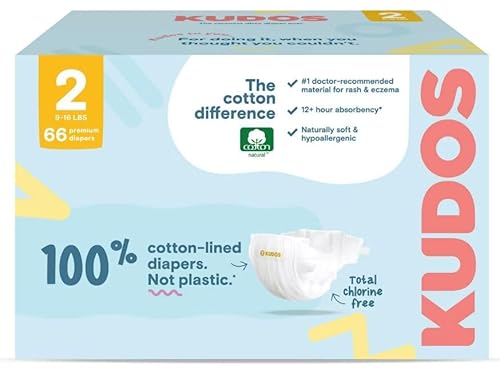
Kudos Diapers
Kudos is unique among non-toxic diaper brands because it includes a sheet of cotton on the innermost layer that touches the baby's skin, providing a natural barrier between the baby and synthetic materials. You can find it on Amazon.
View on AmazonAs an Amazon Associate, we earn from qualifying purchases.
6. Esembly Cloth Diapers with Organic Cotton
For parents interested in reusable options, Esembly offers cloth diapers made with organic cotton for the inner layer that contacts the baby's skin. The diapers feature a water-resistant outer cover made from TPU (thermoplastic polyurethane), which is necessary for waterproofing. Esembly diapers are washable and reusable, significantly reducing waste compared to disposables. The brand offers various sizes and styles including fitted diapers and all-in-one options.
Why we recommend it: Cloth diapers eliminate the need for disposable products entirely, dramatically reducing environmental impact and long-term costs. Esembly's use of organic cotton for the layer touching the baby's skin provides natural material contact without synthetic additives. Reusable diapers eliminate exposure to dioxins, phthalates, and other chemicals associated with disposable diaper manufacturing. For families committed to reducing waste, this is the most sustainable option.
Things to know: Cloth diapers require washing, which adds time and water usage to your routine. The water-resistant outer cover is made from TPU plastic, so cloth diapers are not 100 percent natural or organic. Initial investment is higher than buying disposables, though long-term costs are lower. Cloth diapers require more frequent changes than disposables due to lower absorbency.

Esembly Cloth Diapers with Organic Cotton
For parents interested in reusable options, Esembly offers cloth diapers made with organic cotton for the inner layer that contacts the baby's skin. You can find it on Amazon.
View on AmazonAs an Amazon Associate, we earn from qualifying purchases.
7. ATTITUDE Little Ones Diapers
ATTITUDE Little Ones diapers are designed for older children and are hypoallergenic and dermatologist-tested. The diapers use plant-based materials and are processed without harsh chemicals. ATTITUDE is known for transparency and third-party testing of their products. The brand offers diapers in sizes 4 through 6 and pull-up style options for transitioning toddlers.
Why we recommend it: ATTITUDE is specifically recommended for older children and toddlers, filling a gap in the non-toxic diaper market for parents of children beyond the newborn stage. The brand's commitment to transparency and third-party testing provides accountability. Parents report good fit and absorbency for active toddlers. The plant-based materials and chemical-free processing make these suitable for sensitive skin.
Things to know: ATTITUDE Little Ones diapers are best suited for children in sizes 4 and up; the brand has limited newborn options. Pricing is premium compared to conventional brands. Availability may be primarily online.
How to Choose the Right Non-Toxic Diapers and Wipes
- Look for totally chlorine-free (TCF) processing: Conventional diapers bleached with chlorine produce dioxins, which the EPA classifies as "likely human carcinogens." TCF processing uses oxygen, ozone, or hydrogen peroxide instead, eliminating this toxic byproduct entirely.
- Check for plant-based materials and certifications: Seek diapers made from plant-based synthetics like polypropylene or PLA derived from eucalyptus, wood pulp, corn starch, or sugar cane. Look for FSC (Forest Stewardship Council) or SFI (Sustainable Forestry Initiative) certifications on wood pulp sourcing, which indicate responsible forestry practices.
- Avoid fragrance, phthalates, parabens, and latex: These additives serve no functional purpose in diapers and are common sources of skin irritation and allergic reactions. Fragrance often contains phthalates, which are hormone disruptors linked to developmental and reproductive issues.
- Consider your budget and lifestyle: Non-toxic disposable diapers typically cost more than conventional brands. Cloth diapers have higher upfront costs but lower long-term expenses. Subscription services from non-toxic brands sometimes offer modest discounts.
- Understand that 100 percent organic disposable diapers do not exist: The absorbency requirements of modern disposable diapers mean they must contain some synthetic materials. Look for brands using the highest percentage of plant-based and natural materials rather than seeking a non-existent "perfect" product.
Switching to non-toxic diapers is one meaningful way to reduce your baby's chemical exposure during a critical developmental period. While no disposable diaper is 100 percent organic or free from all synthetic materials, the options listed above prioritize plant-based materials, transparent ingredient lists, and chemical-free processing. Choose based on your budget, values, and your baby's skin sensitivity, knowing that any move toward cleaner diapers is a positive step for your family's health.