
7 Best Clean Protein Sources for 2026: Grass-Fed Beef, Pasture-Raised Poultry, and Wild-Caught Fish
Finding truly clean protein sources means understanding the difference between conventionally raised meat and ethically sourced, nutrient-dense options. Conventional beef often contains synthetic growth hormones (implanted in 80-90% of U.S. feedlot cattle), antibiotics (up to 70% of U.S. antibiotics go to livestock), and synthetic nitrates that can form carcinogenic compounds when heated. Pasture-raised and grass-fed proteins offer superior nutritional profiles, with higher omega-3 fatty acids, conjugated linoleic acid (CLA), and essential minerals compared to feedlot alternatives. This guide evaluates the best clean protein delivery services and brands based on certifications, sourcing transparency, animal welfare standards, and nutritional quality.
1. StarWalker Organic Farms: Regenerative Organic Certified Beef
StarWalker Organic Farms is a third-generation family-owned farm in Northern California that holds the distinction of being the world's first and only Regenerative Organic Certified beef producer in the U.S. They offer certified organic, grass-fed, grass-finished beef and pork, along with the world's first Regenerative Organic Certified jerky. All animals are raised humanely on their California family farm at the base of the Marble Mountains.
Why we recommend it: StarWalker holds multiple certifications including USDA Certified Organic, Certified Humane, and Regenerative Organic Certified status. Regenerative agriculture goes beyond sustainability by actively improving soil health, enhancing plant and animal biodiversity, and ensuring worker fairness. Grass-finished beef from regenerative farms contains a more balanced omega-3 to omega-6 fatty acid profile and higher concentrations of essential minerals and vitamins compared to conventionally farmed meat.
Things to know: As a smaller, specialty producer, StarWalker's products may have limited availability and higher price points than mass-market options. Direct ordering from the farm may require visiting their website or calling directly rather than using a subscription service. The farm offers a 10% discount code for customers.

StarWalker Organic Farms: Regenerative Organic Certified Beef
StarWalker Organic Farms is a third-generation family-owned farm in Northern California that holds the distinction of being the world's first and only Regenerative Organic Certified beef producer in the U.S. You can find it on Amazon.
View on AmazonAs an Amazon Associate, we earn from qualifying purchases.
2. Force of Nature Meats: Regeneratively-Raised Ancestral Proteins
Force of Nature Meats focuses on regeneratively-raised meat with an emphasis on sustainability, ethical sourcing, and uncompromised quality. They offer organic beef, grass-fed bison, 100% organic feed chicken, grass-fed elk, and grass-fed and pasture-raised venison. All products are sugar-free, dairy-free, and gluten-free, with animals having unlimited access to healthy pastures and no exposure to feedlots, antibiotics, added hormones, herbicides, pesticides, or GMOs.
Why we recommend it: Force of Nature emphasizes the regenerative model where animals, land, and ranchers work in harmony. Their diverse protein options, including ancestral proteins like elk and venison, appeal to those following paleo, keto, or high-protein diets. The commitment to conservation-focused and wildlife-friendly practices ensures that purchasing their meat supports broader environmental goals.
Things to know: Specialty proteins like elk and venison may be harder to find and typically cost more than conventional beef or chicken. The regenerative focus means prices reflect the higher standards of animal care and land management. These products work well for specific dietary approaches but may not suit all cooking preferences or budgets.
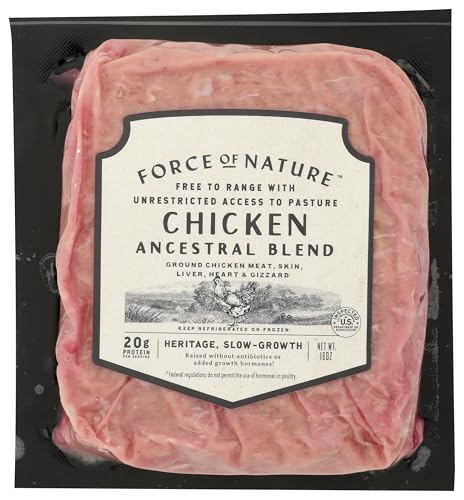
Force of Nature Meats: Regeneratively-Raised Ancestral Proteins
Force of Nature Meats focuses on regeneratively-raised meat with an emphasis on sustainability, ethical sourcing, and uncompromised quality. You can find it on Amazon.
View on AmazonAs an Amazon Associate, we earn from qualifying purchases.
3. ButcherBox: Best Overall Meat Delivery Service
ButcherBox is a subscription meat delivery service that specializes in 100% grass-fed and grass-finished beef, free-range organic chicken, and heritage-breed pork. They also offer wild-caught and sustainably harvested seafood including Alaskan sockeye salmon, halibut, cod, lobster, sea scallops, and shrimp. All meat arrives frozen, individually vacuum-packed, and shipped in eco-friendly insulated boxes within 1-3 days. The service includes pre-made options like grass-fed beef burger patties and nitrate-free hot dogs.
Why we recommend it: ButcherBox guarantees antibiotic-free and hormone-free meat at less than $6 per meal with free shipping to the continental 48 states. The company offers flexible subscriptions with no hidden fees, allows you to customize your box by selecting specific cuts, and provides a satisfaction guarantee with replacements, credits, or refunds if you're not happy with your order.
Things to know: Meat arrives frozen, which requires proper storage and planning for thawing. While pricing is competitive, subscription services require commitment, though you can pause or cancel anytime. The selection, while extensive, is limited to what ButcherBox sources rather than a full butcher shop experience.
4. Good Chop: Domestic Family Farm Sourcing
Good Chop delivers top-quality American meat and seafood sourced exclusively from domestic family farms and fisheries. They offer over 100 menu items including 100% grass-fed beef from Iowa, Nebraska, and South Dakota; free-roam chicken fed an entirely vegetarian diet and housed in climate-controlled barns; pasture-raised pork; and wild-caught or responsibly farmed seafood certified sustainable by the Marine Stewardship Council (MSC) or Aquaculture Stewardship Council (ASC).
Why we recommend it: Good Chop prioritizes animal welfare with humanely raised animals that have sufficient space, shelter, water, and food. By sourcing exclusively from American farms, they reduce pollution from international transportation and support local economies. Pricing can be as low as $3.32 per serving with their extra-large box option. The service allows customization of each delivery box and offers account credits or refunds if you're unsatisfied.
Things to know: While Good Chop emphasizes vegetarian diets for poultry and pork, this differs from grass-fed beef standards. Chicken fed corn and soybean meal is not the same as pasture-raised birds foraging naturally. Subscription flexibility is available, but like all delivery services, this requires planning ahead for meals.
5. Crowd Cow: Grass-Fed Beef and Ethical Sourcing
Crowd Cow specializes in 100% grass-fed beef, Japanese Wagyu, grass-fed bison, heritage-breed pork, and both free-range and fully pasture-raised chicken and turkey. They offer wild-caught seafood including salmon, cod, halibut, shrimp, sea scallops, lobster, crab, and arctic char. All meat is free of artificial growth hormones and raised without unnecessary antibiotics, sourced from ethical partners including independent family farms and co-ops.
Why we recommend it: Crowd Cow offsets the carbon impact of every shipment and uses 100% recyclable and compostable packaging materials. The company offers subscription options with 5% savings per box, one-time purchases for flexibility, and both custom and curated box options. Their commitment to environmental responsibility extends beyond the product to the entire delivery process.
Things to know: Specialty items like Japanese Wagyu command premium pricing. The subscription model, while flexible, requires advance planning. Crowd Cow's emphasis on premium cuts and heritage breeds may appeal more to those seeking higher-end options rather than budget-conscious shoppers.
6. Thrive Market: Wholesale Pricing for Organic Meat
Thrive Market is an online retailer offering organic meat at wholesale prices, combining the marketplace model of Amazon with the bulk pricing of Costco and the product standards of Whole Foods. Their organic meat selection includes 100% grass-fed beef, certified free-range chicken, and pasture-raised pork, all sourced directly from family-owned farms and free of antibiotics and hormones. Seafood options include sustainable, wild-caught varieties like fish, shrimp, sea scallops, crab, and lobster.
Why we recommend it: Thrive Market offers flexibility with single-animal protein boxes, curated variety packs, or fully customizable selections. Membership is risk-free and can be canceled anytime. The wholesale pricing model makes organic and grass-fed proteins more accessible than traditional retail, and the membership approach provides additional savings across their entire product catalog.
Things to know: Thrive Market requires a membership subscription to access pricing and products. While the membership is cancelable, there is an upfront commitment. The service functions as a broader grocery platform rather than a specialized meat delivery service, which may appeal to some but offers less specialized expertise than dedicated butcher services.
7. REP Provisions: Regenerative Farm Support and Grasslands Ecosystem
REP Provisions (Regenerative Ecosystem Provisioning) focuses on regenerative agriculture and supporting America's grasslands ecosystem health. Their mission centers on empowering local regenerative farms to create a more resilient, fair, and transparent food system. They offer organic beef raised on regenerative farms with no toxic chemicals, pesticides, hormones, antibiotics, or additives, and they treat animals ethically.
Why we recommend it: REP Provisions' 100% grass-finished beef offers a more balanced omega-3 to omega-6 fatty acid profile and higher nutrient density compared to conventionally raised beef. By supporting regenerative farms, purchasing from REP Provisions directly contributes to grassland ecosystem restoration and supports local agricultural communities. This option appeals to those who want their protein purchases to have measurable environmental and social impact.
Things to know: As a regenerative-focused brand, REP Provisions may have more limited product variety compared to larger delivery services. Pricing typically reflects the higher standards of regenerative farming. Direct sourcing from local farms may mean less consistent availability or seasonal variations in product offerings.
How to Choose the Right Clean Protein Source
- Verify certifications and sourcing: Look for USDA Certified Organic, Regenerative Organic Certified (ROC), Certified Humane, or Marine Stewardship Council (MSC) certifications. Confirm that beef is 100% grass-fed and grass-finished (not just grass-fed, which can mean grain finishing in feedlots). Verify that poultry is truly pasture-raised or free-range with outdoor access, not just cage-free.
- Avoid synthetic additives and hormones: Reject meat containing synthetic growth hormones, antibiotics, synthetic nitrates or nitrites, high fructose corn syrup, hydrolyzed soy protein, artificial flavors, propylene glycol, or BHA/BHT antioxidants. Be cautious of "uncured" labels that use celery powder as a nitrate source, which converts to nitrites identically to synthetic versions.
- Prioritize regenerative and local sourcing: Choose brands that source from family-owned farms, local ranchers, or regenerative operations rather than large corporations. Regenerative agriculture actively improves soil health, enhances biodiversity, and ensures worker fairness, going beyond basic sustainability.
- Evaluate delivery logistics and pricing: Consider whether subscription flexibility, shipping costs, and per-serving pricing fit your budget and lifestyle. Compare options like ButcherBox (under $6 per meal), Good Chop (as low as $3.32 per serving), and specialty brands with premium pricing. Check if the service allows pausing, canceling, or one-time purchases without penalties.
- Assess nutritional indicators: Grass-finished beef should have a deep burgundy-red color (indicating an active, grass-fed cow) rather than pale bright pink (indicating feedlot raising). Real grass-finished beef smells clean and cooks differently due to higher omega-3s, CLA, and vitamins measurably present in pasture-raised animals.
Choosing clean protein sources means prioritizing certifications, transparency, and sourcing practices over convenience or lowest price. Whether you select a subscription delivery service like ButcherBox or Good Chop, a regenerative specialist like StarWalker Organic Farms or REP Provisions, or a wholesale option like Thrive Market, the key is ensuring your protein comes from animals raised humanely without synthetic hormones, antibiotics, or harmful additives. Grass-fed, pasture-raised, and regeneratively-raised proteins deliver superior nutritional profiles and support farming practices that benefit both human health and environmental sustainability.
" }