
6 Best DEET-Free Bug Sprays That Actually Work in 2026
Finding effective bug protection without DEET can feel impossible, especially when you're dealing with mosquitoes, ticks, and other biting insects. These six DEET-free options use proven natural ingredients like picaridin, oil of lemon eucalyptus, and essential oil blends to keep bugs at bay while being gentler on your skin and safer for families with children.
1. Murphy's Naturals Plant-Based Repellent Spray
This spray uses 30% oil of lemon eucalyptus (OLE/PMD), a plant-derived ingredient that the CDC and EPA recommend as a DEET alternative. The water and corn ethanol base makes it less greasy than many alternatives, and it comes in a convenient pump spray format that's widely available at Target, REI, and other major retailers.
Why we recommend it: Oil of lemon eucalyptus has strong efficacy data backing its mosquito and tick protection, making this one of the most scientifically proven natural options available. The brand also donates 2% of revenues to environmental causes.
Things to know: Not recommended for children under 3 years old, and the plastic pump bottle isn't as eco-friendly as some alternatives. You'll need to reapply more frequently than DEET-based products, especially in heavy bug pressure situations.
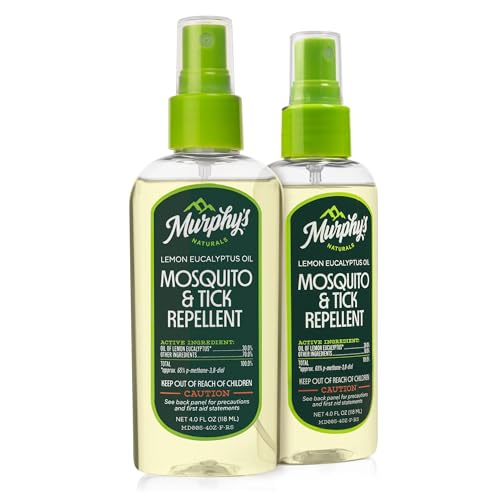
Murphy's Naturals Plant-Based Repellent Spray
This spray uses 30% oil of lemon eucalyptus (OLE/PMD), a plant-derived ingredient that the CDC and EPA recommend as a DEET alternative. You can find it on Amazon.
View on AmazonAs an Amazon Associate, we earn from qualifying purchases.
2. Badger Classic Anti-Bug Balm
This USDA Certified Organic balm uses citronella, rosemary, lemongrass, and geranium essential oils in an olive oil and beeswax base. It comes in a recyclable aluminum tin that's perfect for camping and outdoor activities where plastic packaging might get damaged.
Why we recommend it: The certified organic ingredients and aluminum tin packaging make this one of the most environmentally conscious options available. The balm format allows for precise application without waste, and it's widely available at REI and natural retailers.
Things to know: Contains beeswax, so it's not vegan-friendly. Essential oil formulas typically provide shorter protection windows than OLE or picaridin products, requiring reapplication every 2-3 hours in buggy conditions.

Badger Classic Anti-Bug Balm
This USDA Certified Organic balm uses citronella, rosemary, lemongrass, and geranium essential oils in an olive oil and beeswax base. You can find it on Amazon.
View on AmazonAs an Amazon Associate, we earn from qualifying purchases.
3. All Terrain Herbal Armor Natural Insect Repellent
This spray combines soybean oil with citronella, peppermint, cedar, lemongrass, and geranium essential oils. The soybean oil base helps the essential oils stay on skin longer than water-based formulas, extending protection time while maintaining a natural ingredient profile.
Why we recommend it: Respected among hikers and outdoor enthusiasts for its essential oil formula that provides better staying power than many natural alternatives. The soybean oil base adds durability without synthetic ingredients.
Things to know: Still comes in plastic packaging, and spray format can lead to overspray waste. May require more frequent reapplication than synthetic options, especially in humid conditions or during sweating.

All Terrain Herbal Armor Natural Insect Repellent
This spray combines soybean oil with citronella, peppermint, cedar, lemongrass, and geranium essential oils. You can find it on Amazon.
View on AmazonAs an Amazon Associate, we earn from qualifying purchases.
4. Ben's 30% Picaridin Tick & Insect Repellent
Picaridin is a synthetic DEET alternative modeled after black pepper compounds that performs comparably to DEET in studies while being less irritating to skin. This water-based formula is designed to stay on the skin rather than absorb into it, providing lasting protection against both mosquitoes and ticks.
Why we recommend it: In testing, this repellent held for almost 12 hours outdoors without a single bite, making it exceptionally effective for camping, hiking, and other extended outdoor activities. It's odorless and less likely to irritate sensitive skin compared to DEET.
Things to know: While DEET-free, picaridin is still a synthetic ingredient, so it may not appeal to those seeking purely natural options. It takes some effort to rub in completely and should be applied to adult hands first when using on children.
5. Silver Falls Sustainability Co. Botanical Insect Repellent Bar
This solid bar format eliminates overspray waste and applies like a skin balm rather than a traditional spray. The formula combines ten essential oils including citronella, eucalyptus, cedarwood, and catnip in an organic shea butter and cocoa butter base that actually nourishes skin while repelling bugs.
Why we recommend it: The compostable packaging is completely waste-free, and the balm texture means your skin feels hydrated rather than stripped. Users report success during extended hiking trips in Alaska and other insect-heavy environments.
Things to know: Essential oil formulas require more frequent reapplication than synthetic alternatives, especially under heavy bug pressure. Only available direct from the manufacturer, not through major retailers like Amazon.
6. Kind Patches Anti-Mosquito Patches
These innovative patches use citronella essential oil in a DEET-free, nontoxic format that's perfect for kids who can't stand the feel or smell of traditional bug sprays. Each patch provides 12 hours of mosquito protection and can be applied to clothing near exposed skin areas.
Why we recommend it: Ideal solution for children who resist traditional bug sprays, with no mess, no smell, and no skin contact required. The patch format eliminates concerns about getting repellent in eyes or mouth, making it particularly safe for young kids.
Things to know: Only effective against mosquitoes, not ticks or other insects. More expensive per use than traditional sprays, and you may need multiple patches for full body protection during heavy bug activity.
How to Choose the Right DEET-Free Bug Repellent
- Consider the active ingredient: Picarikin offers the longest protection and is least irritating, while oil of lemon eucalyptus has strong CDC backing but shouldn't be used on children under 3. Essential oil blends are gentlest but require more frequent reapplication.
- Match the format to your needs: Sprays work well for quick, even coverage, while balms and sticks allow precise application and are less likely to get in eyes or be accidentally inhaled.
- Check age restrictions: Some natural ingredients like oil of lemon eucalyptus have age limits, while others like citronella are generally safe for all ages when used properly.
- Consider your environment: For heavy tick areas, choose picaridin or OLE-based products. For casual backyard use, essential oil blends may provide adequate protection with a more pleasant experience.
- Think about reapplication: Natural options typically need reapplication every 2-4 hours, while synthetic DEET-free options like picaridin can last 8-12 hours depending on conditions.
The best DEET-free bug repellent depends on your specific needs, but picaridin-based products offer the longest protection while essential oil blends provide the most natural approach. Whatever you choose, consistent application and reapplication remain key to staying bite-free all season long.