
5 Best Sleep Recovery Rituals for Deep Rest in 2026
Quality sleep isn't just about the hours you spend in bed,it's about creating rituals that support deep, restorative rest. The best sleep recovery approaches combine targeted supplements with proven behavioral techniques, helping your body naturally transition into sleep mode without the dependency risks of prescription medications. We evaluated options based on safety profiles, scientific evidence, and real-world effectiveness for different sleep challenges.
1. Magnesium Glycinate Supplementation
Magnesium glycinate combines the sleep-promoting benefits of magnesium with glycine, an amino acid that helps lower body temperature and signal bedtime. This chelated form is gentler on the stomach than other magnesium types and provides dual pathways for sleep support. Research shows magnesium may help regulate melatonin production while glycine improves sleep quality and reduces next-day fatigue.
Why we recommend it: Clinical studies found magnesium shortened sleep onset by about 17 minutes in older adults, while glycine improved subjective sleep quality and reaction times the following day. The glycinate form offers better absorption and fewer digestive side effects than magnesium oxide or citrate.
Things to know: Start with 200-400mg about 30 minutes before bed. People with kidney disease should consult their doctor before supplementing with magnesium. Effects may take 2-4 weeks of consistent use to become noticeable.

Magnesium Glycinate Supplementation
Magnesium glycinate combines the sleep-promoting benefits of magnesium with glycine, an amino acid that helps lower body temperature and signal bedtime. You can find it on Amazon.
View on AmazonAs an Amazon Associate, we earn from qualifying purchases.
2. Low-Dose Melatonin (1-3mg)
Melatonin works as a "clock shifter" rather than a sedative, helping regulate your circadian rhythm for better sleep timing. Unlike higher doses that can cause grogginess, low-dose melatonin (1-3mg) taken 1-2 hours before desired bedtime supports your natural sleep-wake cycle without dependency risks. This approach is particularly effective for jet lag, shift work, or delayed sleep phase issues.
Why we recommend it: Johns Hopkins research supports 1-3mg as an effective dose range for circadian support, and studies show melatonin can reduce sleep latency and increase total sleep time in people with sleep disorders. It's non-habit forming and works with your body's natural processes.
Things to know: Supplement quality varies widely,some products contain 83% less to 478% more melatonin than labeled, with potential serotonin contamination. Choose third-party tested brands and avoid "more is better" thinking, as higher doses can cause morning grogginess.

Low-Dose Melatonin (1-3mg)
Melatonin works as a "clock shifter" rather than a sedative, helping regulate your circadian rhythm for better sleep timing. You can find it on Amazon.
View on AmazonAs an Amazon Associate, we earn from qualifying purchases.
3. Lavender Aromatherapy Ritual
Lavender essential oil aromatherapy creates a powerful sleep cue through scent association while providing measurable relaxation benefits. Studies show that simply inhaling lavender before bed can improve sleep quality, increase total sleep time, and reduce early morning awakenings. This ritual works by engaging your parasympathetic nervous system and creating a consistent bedtime signal.
Why we recommend it: Research in older adults with dementia found lavender aromatherapy increased total sleep time and reduced sleep disturbances. It's completely non-addictive, works immediately, and can be combined with other sleep practices for enhanced benefits.
Things to know: Use only high-quality essential oils designed for aromatherapy,never ingest lavender oil, which can cause nausea and digestive issues. A few drops on your pillow, in a diffuser, or mixed with a carrier oil for topical application are the safest methods.

Lavender Aromatherapy Ritual
Lavender essential oil aromatherapy creates a powerful sleep cue through scent association while providing measurable relaxation benefits. You can find it on Amazon.
View on AmazonAs an Amazon Associate, we earn from qualifying purchases.
4. L-Theanine for Stress-Driven Insomnia
L-theanine, an amino acid found in tea, helps calm the "tired but wired" feeling that prevents sleep. It increases alpha brain wave activity associated with relaxation while reducing cortisol levels after stress. Unlike sedatives, L-theanine promotes calm alertness during the day and easier sleep transitions at night without next-day drowsiness.
Why we recommend it: A controlled study found 200mg of L-theanine increased alpha brain waves and lowered cortisol after acute stress, making it ideal for people whose racing minds prevent sleep. It's particularly effective when stress or anxiety is the primary sleep barrier.
Things to know: L-theanine works best for stress-related sleep issues rather than general insomnia. Some people find it more effective when combined with magnesium or taken earlier in the evening (2-3 hours before bed) rather than right at bedtime.
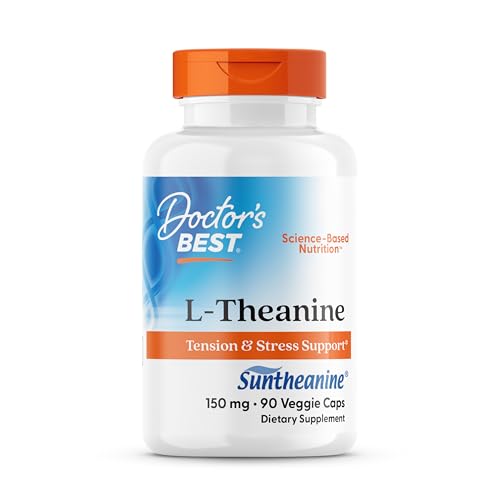
L-Theanine for Stress-Driven Insomnia
L-theanine, an amino acid found in tea, helps calm the "tired but wired" feeling that prevents sleep. You can find it on Amazon.
View on AmazonAs an Amazon Associate, we earn from qualifying purchases.
5. Cognitive Behavioral Therapy for Insomnia (CBT-I) Techniques
CBT-I represents the gold standard for long-term sleep improvement, teaching specific techniques to retrain your brain's sleep associations. This approach includes sleep restriction, stimulus control (using bed only for sleep), and relaxation training. Unlike supplements, CBT-I addresses the root causes of insomnia and provides lasting benefits that continue even after treatment ends.
Why we recommend it: Medical guidelines recommend CBT-I as first-line treatment for chronic insomnia because it's more effective long-term than medication alone. Studies show combining CBT-I with low-risk sleep aids produces better results than either approach alone.
Things to know: CBT-I requires commitment and may temporarily worsen sleep during the first 1-2 weeks as your brain adjusts to new patterns. Many techniques can be self-taught through apps or books, though severe insomnia may benefit from working with a trained therapist.
How to Choose the Right Sleep Recovery Approach
- Match the solution to your sleep problem: Use melatonin for timing issues like jet lag, magnesium or L-theanine for stress-driven insomnia, and CBT-I techniques for chronic sleep maintenance problems.
- Start with the lowest-risk options: Begin with behavioral changes and gentle supplements before considering stronger interventions. Natural doesn't always mean safe, so research quality and potential interactions.
- Consider your morning requirements: Avoid anything that causes next-day grogginess if you need to drive or operate machinery. Test new supplements on weekends first.
- Look for third-party testing: Since supplements aren't FDA-regulated like medications, choose brands that verify purity and potency through independent testing.
- Avoid long-term dependence: Even natural sleep aids work best as temporary support while building healthy sleep habits. If you can't sleep without supplements after 2-3 months, consult a healthcare provider.
The most effective sleep recovery approach combines multiple strategies rather than relying on a single solution. Start with one or two techniques, give them 2-4 weeks to work, then add others as needed for your specific sleep challenges.