
How to Choose the Right Organic Garden Soil
Organic garden soil creates the foundation for chemical-free gardening, providing natural nutrition while avoiding synthetic fertilizers and pesticides that can harm beneficial soil organisms and contaminate edible crops. Gardening experts and organic certification bodies consistently highlight soil mixes that combine proper drainage with moisture retention, beneficial microorganisms for root health, and organic nutrients that feed plants gradually without burning delicate seedlings.
1. Fox Farm Ocean Forest Potting Soil
This premium organic blend combines earthworm castings, bat guano, fish meal, and crab meal to create a nutrient-dense foundation that feeds plants for weeks without additional fertilization. The balanced formula (6.3-6.8) ensures optimal nutrient uptake, while the sandy loam texture with perlite provides excellent drainage for container gardening and raised beds.
Why it stands out: Cannabis cultivation experts at Grow Weed Easy rate Ocean Forest as their top choice for nutrient density and consistent results. The blend of premium organic amendments creates what growers call a "super soil" that eliminates the need for synthetic fertilizers during early plant development.
Things to know: The rich nutrient content can be too intense for very young seedlings, potentially causing nutrient burn. The premium ingredients make it more expensive than standard potting mixes, and bags sometimes lack resealable closures for storage.

Fox Farm Ocean Forest Potting Soil
This premium organic blend combines earthworm castings, bat guano, fish meal, and crab meal to create a nutrient-dense foundation that feeds plants for weeks without additional fertilization. You can find it on Amazon.
View on AmazonAs an Amazon Associate, we earn from qualifying purchases.
2. Espoma Organic Potting Mix
Enhanced with Myco-tone technology, this OMRI-listed organic blend contains beneficial mycorrhizae fungi that form symbiotic relationships with plant roots. The mix includes earthworm castings, aged forest products, and peat moss to create a balanced growing medium that improves water uptake and nutrient absorption naturally.
Why it stands out: The proprietary mycorrhizae blend helps plants develop stronger root systems and increases drought tolerance by improving water and nutrient uptake efficiency. Independent testing shows plants grown in soil enhanced with mycorrhizae demonstrate improved stress resistance and overall vigor.
Things to know: The beneficial fungi require time to establish, so results may not be immediately visible. Some gardeners notice small mushrooms growing in the soil, which indicates healthy biological activity but may concern those unfamiliar with living soil systems.

Espoma Organic Potting Mix
Enhanced with Myco-tone technology, this OMRI-listed organic blend contains beneficial mycorrhizae fungi that form symbiotic relationships with plant roots. You can find it on Amazon.
View on AmazonAs an Amazon Associate, we earn from qualifying purchases.
3. Black Gold All Purpose Potting Soil
This dark, loamy blend combines Canadian sphagnum peat moss, compost, perlite, and pumice to create excellent drainage while retaining adequate moisture for root development. The rich, fluffy texture makes it particularly suitable for container vegetables that require consistent moisture without waterlogging.
Why it stands out: Reviewers consistently praise its ideal texture and drainage characteristics, noting that the blend of perlite and pumice creates optimal air pockets for root health. The dark color indicates high organic matter content, which provides natural nutrition that releases gradually.
Things to know: While nutrient-rich, it may require supplemental feeding sooner than heavily amended soils like Ocean Forest. The peat moss component, while effective, is not as sustainable as coconut coir alternatives.
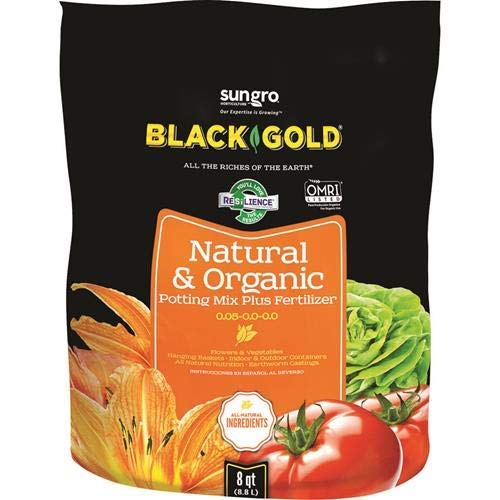
Black Gold All Purpose Potting Soil
This dark, loamy blend combines Canadian sphagnum peat moss, compost, perlite, and pumice to create excellent drainage while retaining adequate moisture for root development. You can find it on Amazon.
View on AmazonAs an Amazon Associate, we earn from qualifying purchases.
4. Burpee Organic Premium Potting Mix
Built on a sustainable coconut coir base rather than peat moss, this OMRI-listed blend includes organic plant food that releases gradually and maintains excellent moisture retention. The renewable coir holds water exceptionally well while still providing adequate drainage for most garden plants.
Why it stands out: The coconut coir base offers superior water retention compared to peat-based mixes, reducing watering frequency while remaining environmentally sustainable. The included organic fertilizer provides immediate nutrition without synthetic chemicals.
Things to know: Coconut coir can sometimes contain high salt levels if not properly processed, though reputable brands like Burpee typically rinse their coir thoroughly. The moisture retention may be too high for plants that prefer dry conditions, such as succulents.

Burpee Organic Premium Potting Mix
Built on a sustainable coconut coir base rather than peat moss, this OMRI-listed blend includes organic plant food that releases gradually and maintains excellent moisture retention. You can find it on Amazon.
View on AmazonAs an Amazon Associate, we earn from qualifying purchases.
5. Pro-Mix Premium Organic Garden Mix
This professional-grade blend features MycoActive technology with beneficial mycorrhizae and high porosity to prevent root rot while promoting vigorous root development. The peat-based formula includes organic fertilizer and is designed for serious gardeners seeking results comparable to commercial standards.
Why it stands out: Pro-Mix has earned legendary status in commercial horticulture for preventing root rot through superior drainage and aeration. The MycoActive technology stimulates root growth and improves nutrient uptake, making it ideal for vegetable gardens with high yields.
Things to know: The professional formulation comes with a higher price point than consumer-grade mixes. The high porosity requires more frequent watering than denser soil blends, which may not suit all gardening styles.

Pro-Mix Premium Organic Garden Mix
This professional-grade blend features MycoActive technology with beneficial mycorrhizae and high porosity to prevent root rot while promoting vigorous root development. You can find it on Amazon.
View on AmazonAs an Amazon Associate, we earn from qualifying purchases.
How to Choose the Right Organic Garden Soil
- Check organic certification: Look for OMRI (Organic Materials Review Institute) listing or USDA Organic certification to ensure the soil meets strict organic standards without synthetic chemicals, sewage sludge, or prohibited additives.
- Evaluate drainage and texture: Quality organic soil should feel fluffy and contain visible perlite or pumice for drainage. Avoid dense, dark mixes that can suffocate roots and cause waterlogging issues.
- Consider beneficial microorganisms: Soils enhanced with mycorrhizae fungi or beneficial bacteria improve plant health and nutrient uptake. These living soils may develop harmless mushrooms, indicating healthy biological activity.
- Match nutrients to plant needs: "Hot" soils with high nutrient content work well for heavy feeders like tomatoes but can burn delicate seedlings. Lighter mixes give you more control over fertilization timing and amounts.
- Assess sustainability factors: Coconut coir-based mixes offer renewable alternatives to peat moss, while locally sourced compost reduces transportation impacts. Consider the environmental footprint of your soil choice.
The right organic soil creates a living foundation that feeds your plants naturally while building long-term soil health. Focus on certified organic blends with proper drainage and beneficial microorganisms for the healthiest, most productive garden.