
6 Best Third-Party Tested Vitamin & Mineral Supplements for 2026
When it comes to vitamins and minerals, third-party testing is your best guarantee of quality and safety. Unlike brands that only test in-house, third-party certified supplements undergo independent verification for purity, potency, and contamination. We evaluated supplements based on rigorous testing standards, clean formulations, and proven effectiveness to help you choose vitamins you can trust.
1. Thorne Vitamin D3/K2 Liquid
Thorne's liquid vitamin D3/K2 combines 1,000 IU of vitamin D3 with 200 mcg of vitamin K2 (MK-4) in a convenient dropper bottle. Manufactured in Summerville, South Carolina, this supplement pairs two nutrients that work synergistically to support bone health and calcium metabolism.
Why we recommend it: Thorne follows a four-round testing protocol including raw ingredient testing, in-process testing, finished product testing, and stability testing before shipping. The facility is NSF-registered and certified, with over 20 products carrying NSF Certified for Sport designation. The liquid format allows for precise dosing and better absorption than tablets.
Things to know: The liquid has a mild taste that some find slightly oily. At around $25 for a one-month supply, it's pricier than basic vitamin D supplements, but the quality and testing justify the cost for those prioritizing purity.
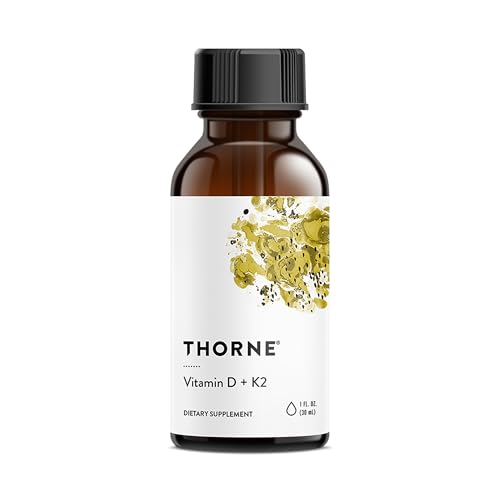
Thorne Vitamin D3/K2 Liquid
Thorne's liquid vitamin D3/K2 combines 1,000 IU of vitamin D3 with 200 mcg of vitamin K2 (MK-4) in a convenient dropper bottle. You can find it on Amazon.
View on AmazonAs an Amazon Associate, we earn from qualifying purchases.
2. Nature Made Magnesium Glycinate
Nature Made's magnesium glycinate provides 200mg of elemental magnesium in a highly bioavailable chelated form. As the most widely recognized USP-verified supplement brand, Nature Made carries USP verification on over 100 formulas, ensuring ingredients match labels and contain no unsafe contaminants.
Why we recommend it: USP verification means independent confirmation of ingredient accuracy and safety standards. The glycinate form is gentler on the stomach than magnesium oxide and better absorbed. Manufacturing happens in California and Alabama facilities following FDA cGMP standards, making it accessible at most pharmacies nationwide.
Things to know: While ingredients are globally sourced (which the brand discloses), some prefer domestically sourced raw materials. The capsules are larger than average, which may be difficult for some people to swallow. Pricing is mid-range at about $15 for a two-month supply.

Nature Made Magnesium Glycinate
Nature Made's magnesium glycinate provides 200mg of elemental magnesium in a highly bioavailable chelated form. You can find it on Amazon.
View on AmazonAs an Amazon Associate, we earn from qualifying purchases.
3. MegaFood Blood Builder Iron Supplement
MegaFood's Blood Builder combines 26mg of iron with vitamin C, B12, and folate in a gentle, food-based formula. The iron comes from ferrous bisglycinate chelate paired with real food ingredients like organic oranges and beets. Manufacturing takes place in NSF-certified U.S. facilities with testing for over 150 chemical substances.
Why we recommend it: The formula is designed to be non-constipating and can be taken on an empty stomach without nausea. NSF certification and testing for 150+ chemical substances including pesticides and herbicides provide exceptional purity assurance. The addition of B12 and folate supports overall blood health beyond just iron.
Things to know: At around $30 for a one-month supply, it's among the pricier iron supplements. The tablets are fairly large and have a distinctive taste from the food blend ingredients. Some people may prefer a simpler iron-only formula without additional nutrients.

MegaFood Blood Builder Iron Supplement
MegaFood's Blood Builder combines 26mg of iron with vitamin C, B12, and folate in a gentle, food-based formula. You can find it on Amazon.
View on AmazonAs an Amazon Associate, we earn from qualifying purchases.
4. New Chapter Every Woman's One Daily Multivitamin
New Chapter's fermented multivitamin is cultured with probiotics and manufactured in Vermont. The formula provides essential vitamins and minerals in fermented forms that the brand argues improve tolerability and bioavailability compared to synthetic vitamins.
Why we recommend it: The fermentation process using probiotic organisms may reduce digestive upset common with conventional multivitamins. New Chapter was the first supplement brand to earn USDA Organic certification and maintains high transparency about sourcing. The once-daily format includes iron-free and iron-containing options.
Things to know: The fermented approach means a higher price point, typically $35-40 for a one-month supply. Some users report a strong herbal smell and taste. The fermentation claims, while plausible, have limited independent research compared to standard vitamin forms.

New Chapter Every Woman's One Daily Multivitamin
New Chapter's fermented multivitamin is cultured with probiotics and manufactured in Vermont. You can find it on Amazon.
View on AmazonAs an Amazon Associate, we earn from qualifying purchases.
5. Garden of Life mykind Organics Iron Complex
This whole-food iron supplement provides 18mg of iron from organic curry leaf along with vitamin C from organic amla fruit to enhance absorption. Garden of Life manufactures in Palm Beach Gardens, Florida, and achieves USDA Certified Organic status across its mykind Organics line.
Why we recommend it: The iron comes from real food sources rather than synthetic ferrous sulfate, making it gentler on the stomach. It's certified organic, non-GMO verified, and third-party tested for heavy metals and contaminants. The whole-food approach provides cofactors that support iron absorption naturally.
Things to know: Whole-food iron supplements typically cost more than synthetic versions, around $25 for a one-month supply. Some users may need higher iron doses than this formula provides, especially those with severe deficiency. The tablets have an earthy taste that not everyone enjoys.
6. Swisse Ultiboost Vitamin B Complex
Swisse's B-complex provides a full spectrum of B vitamins including thiamine, riboflavin, niacin, B6, B12, biotin, and folate. The formula appears on Singapore's Health Sciences Authority voluntary notification system, indicating compliance with quality standards for health supplements.
Why we recommend it: The comprehensive B-complex formula supports energy metabolism and nervous system function with clinically relevant doses of each B vitamin. Swisse maintains good manufacturing practices and transparent labeling. The tablets are designed for once-daily convenience with sustained-release technology.
Things to know: B-complex supplements can cause bright yellow urine, which is harmless but startling for new users. Some people experience mild nausea if taken without food. The sustained-release format may not be necessary for water-soluble B vitamins, and some prefer immediate-release forms.
How to Choose the Right Third-Party Tested Vitamins
- Look for certification marks: USP Verified, NSF Certified, or NSF Certified for Sport indicate independent testing for purity, potency, and contaminant screening.
- Check manufacturing standards: Choose brands that follow FDA current Good Manufacturing Practices (cGMP) and disclose where products are made.
- Consider bioavailable forms: Chelated minerals like magnesium glycinate and active B vitamins like methylcobalamin are often better absorbed than cheaper synthetic forms.
- Read ingredient transparency: Quality brands disclose exact amounts of active ingredients and avoid unnecessary fillers, artificial colors, or preservatives.
- Match your specific needs: Choose targeted supplements for your health goals rather than mega-dose formulas that may provide nutrients you don't need.
Third-party testing gives you confidence that your supplements contain what's on the label without harmful contaminants. While certified supplements typically cost more, the investment in quality testing and manufacturing standards is worth it for your long-term health and safety.