
6 Best Plastic-Free Kitchen Essentials for 2026
Making the switch to plastic-free kitchen tools isn't just about reducing waste,it's about protecting your family from microplastics that leach into food during cooking. Research shows that even BPA-free plastics release thousands of microplastic particles after just 10 uses. These carefully selected alternatives offer superior performance while eliminating harmful chemicals from your cooking routine.
1. GIR Silicone Utensil Set
This 10-piece silicone utensil set uses pharmaceutical-grade, BPA- and BPS-free silicone that's heat-resistant up to 550°F. The set includes essential tools like spatulas, a whisk, ladle, and unique pieces like a spoonula for scraping bowls clean. Each piece features a stainless steel core for durability while maintaining flexibility.
Why we recommend it: Food Network testing confirmed these utensils excel at tough jobs without melting or breaking, and the mini versions of larger tools are perfect for precise tasks. The entirely dishwasher-safe design makes cleanup effortless.
Things to know: The set lacks tongs, so you may need to purchase those separately. At around $84, it's an investment but replaces multiple cheaper tools that would need frequent replacement.
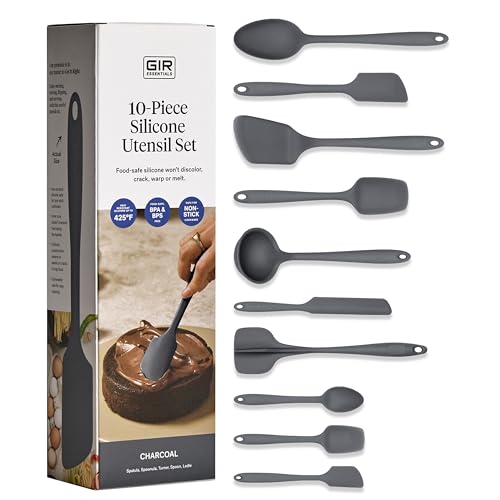
GIR Silicone Utensil Set
This 10-piece silicone utensil set uses pharmaceutical-grade, BPA- and BPS-free silicone that's heat-resistant up to 550°F. You can find it on Amazon.
View on AmazonAs an Amazon Associate, we earn from qualifying purchases.
2. Caraway Wooden Utensil Set
Made from FSC-certified birch wood, this five-piece set includes a spatula, spoon, scraper, server, and tongs. The lightweight, ergonomically designed tools are naturally antimicrobial and require minimal maintenance compared to other wooden utensils.
Why we recommend it: Birch wood is naturally antibacterial, killing 99.8% of common food bacteria after washing according to USDA testing. Unlike plastic alternatives, these tools won't scratch your cookware or leach chemicals into food.
Things to know: Hand washing is required, and the $145 price point is steep. However, these tools can last 15+ years with proper care, making them cost-effective long-term.

Caraway Wooden Utensil Set
Made from FSC-certified birch wood, this five-piece set includes a spatula, spoon, scraper, server, and tongs. You can find it on Amazon.
View on AmazonAs an Amazon Associate, we earn from qualifying purchases.
3. Stainless Steel Mixing Bowl Set
A set of nesting 18/10 stainless steel bowls serves triple duty for food prep, storage, and serving. These bowls eliminate the need for disposable mixing containers and won't absorb odors or stains like plastic alternatives.
Why we recommend it: Stainless steel is completely non-reactive with acidic foods and can handle both hot and cold preparations. The nesting design saves storage space while providing multiple sizes for different cooking tasks.
Things to know: Metal bowls can be noisy during mixing and may conduct heat when used with hot ingredients. They're also heavier than plastic alternatives, which some cooks may find cumbersome.
4. Bamboo Cutting Board
A large bamboo cutting board offers a renewable alternative to plastic boards that harbor bacteria in knife grooves. Bamboo's natural antimicrobial properties make it safer than plastic while being gentler on knife blades than hardwood options.
Why we recommend it: Bamboo regenerates quickly, making it environmentally sustainable. The natural antimicrobial properties reduce bacterial growth, and the surface won't dull your knives as quickly as glass or stone cutting boards.
Things to know: Hand washing is required to prevent warping, and the board needs occasional oiling to maintain its condition. Some bamboo boards can be prone to splitting if not properly maintained.
5. Cast Iron Skillet
A well-seasoned cast iron skillet eliminates the need for non-stick coatings that can release toxic fumes when overheated. Cast iron retains heat 30% better than coated pans and develops a natural non-stick surface over time.
Why we recommend it: With proper care, cast iron cookware can last generations and actually improves with use. It's completely free of chemical coatings and can go from stovetop to oven without concern about temperature limits.
Things to know: Cast iron requires seasoning maintenance and can be heavy to handle. It also reacts with acidic foods, so it's not ideal for tomato-based sauces or wine reductions.
6. Beeswax Food Wraps
These reusable wraps made from organic cotton coated in beeswax replace plastic wrap and storage bags. They mold around food using body heat and can be washed and reused for up to a year.
Why we recommend it: Beeswax wraps eliminate single-use plastic from food storage while keeping produce fresh. They're compostable at the end of their life cycle and can save hundreds of plastic bags annually per household.
Things to know: They're not suitable for raw meat storage and can't be used in the microwave. The initial cost is higher than plastic wrap, but they pay for themselves within a few months of regular use.
How to Choose the Right Plastic-Free Kitchen Tools
- Material safety: Look for food-grade silicone, untreated wood, or stainless steel. Avoid products with plastic components that contact food directly.
- Heat resistance: Check temperature ratings to ensure tools can handle your cooking methods. Silicone should be rated to at least 400°F for most cooking tasks.
- Maintenance requirements: Consider whether you're willing to hand wash wooden items or season cast iron. Some plastic-free options require more care than their plastic counterparts.
- Durability over price: Quality plastic-free tools cost more upfront but last 10+ years versus 1-3 years for plastic alternatives. Calculate the total cost of ownership, not just initial price.
- Certifications: Look for FSC certification on wood products and LFGB certification on silicone to ensure safety and sustainability standards are met.
Transitioning to plastic-free kitchen tools happens gradually as your current items wear out. Start with the most-used items like cutting boards and utensils, then expand your collection over time for a healthier, more sustainable kitchen.