
5 Best Non-Toxic Yoga & Pilates Gear for 2026
Conventional yoga and Pilates equipment often contains harmful chemicals like PVC, phthalates, and synthetic materials that can release toxic fumes during practice. Environmental health experts and clean living advocates consistently recommend natural alternatives made from materials like organic cotton, natural rubber, and sustainably harvested cork. These non-toxic options provide the same performance benefits while supporting both personal health and environmental sustainability.
1. Manduka eKO Natural Rubber Yoga Mat
Made from sustainably harvested natural tree rubber, this biodegradable mat offers excellent grip and cushioning for all types of yoga practice. The non-Amazon rubber sourcing ensures environmental responsibility while delivering performance-grade results.
Why it stands out: The mat is 99 percent latex-free and completely biodegradable, making it one of the most environmentally responsible options available. Independent reviewers consistently praise its superior grip and durability across different practice styles.
Things to know: Natural rubber has a distinct smell initially that fades with use and airing. The mat requires regular cleaning to maintain grip, and those with severe latex allergies should avoid it despite the low latex content.

Manduka eKO Natural Rubber Yoga Mat
Made from sustainably harvested natural tree rubber, this biodegradable mat offers excellent grip and cushioning for all types of yoga practice. You can find it on Amazon.
View on AmazonAs an Amazon Associate, we earn from qualifying purchases.
2. Jade Yoga Harmony Professional Mat
Crafted in the USA from natural rubber tapped from rubber trees, this mat provides exceptional grip and is available in multiple thicknesses. The company plants a tree with every purchase and supports various environmental causes.
Why it stands out: The natural rubber construction offers superior traction that improves with use, and the company's commitment to environmental giving has resulted in over one million trees planted. Yoga instructors frequently recommend it for its reliable grip during challenging poses.
Things to know: The mat can be heavy for travel, and the natural rubber may degrade faster in extreme heat or direct sunlight. Regular cleaning is essential to prevent bacterial growth.
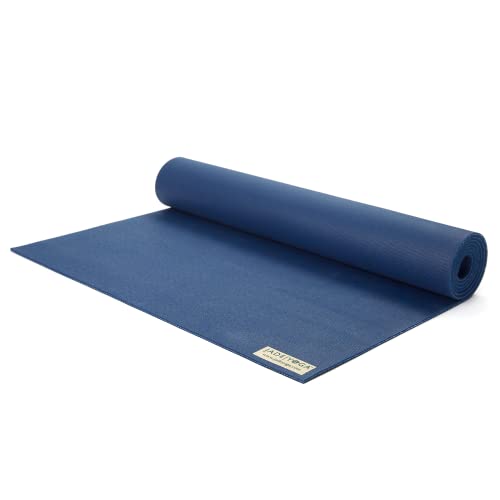
Jade Yoga Harmony Professional Mat
Crafted in the USA from natural rubber tapped from rubber trees, this mat provides exceptional grip and is available in multiple thicknesses. You can find it on Amazon.
View on AmazonAs an Amazon Associate, we earn from qualifying purchases.
3. Brentwood Home Crystal Cove Yoga Mat
This unique yoga mat combines GOTS-certified organic cotton with natural Dunlop latex for a completely non-toxic practice surface. The soft cotton top provides excellent grip and comfort, while the latex base offers stability and cushioning without synthetic materials.
Why it stands out: The mat is completely free of PVC, phthalates, and chemical flame retardants, with both the organic cotton and natural latex certified by third-party organizations. The breathable cotton surface stays comfortable during heated sessions and provides a grounding sensory experience.
Things to know: At $179, it's a significant investment, and the cotton surface requires more frequent cleaning than synthetic alternatives. The mat may feel different from traditional rubber mats initially.
4. Oko Living Organic Cotton Yoga Mat
Loomed from GOTS-certified organic cotton and dyed with ayurvedic herbs like turmeric and neem, this mat offers natural antibacterial and antifungal properties. Each mat is crafted by women artisans in India using traditional techniques and fair wages.
Why it stands out: The herbal dyes provide natural antimicrobial benefits while creating beautiful, earth-friendly colors. The organic cotton construction is completely machine washable, making maintenance simple compared to rubber alternatives.
Things to know: The cotton surface provides less cushioning than rubber mats, making it better suited for gentle practices rather than intense movements. The artisanal production means slight variations in appearance and longer lead times.
5. 42 Birds Cork Yoga Mat
This innovative mat combines sustainably harvested cork with foam backing that resists slipping for a unique practice surface. Cork naturally provides antimicrobial properties and improves grip as it absorbs moisture during practice.
Why it stands out: Cork is naturally antimicrobial and becomes more grippy when wet, making it ideal for hot yoga and sweaty practices. The sustainable harvesting process doesn't harm cork oak trees, and the material is completely biodegradable at end of life.
Things to know: The cork surface can feel firm initially and may require an adjustment period. While lightweight for travel, the material can be more expensive than traditional rubber options and may show wear patterns over time.
How to Choose the Right Non-Toxic Yoga & Pilates Gear
- Check material certifications: Look for GOTS-certified organic cotton, sustainably harvested natural rubber, or FSC-certified cork to ensure materials meet strict environmental and health standards.
- Avoid harmful chemicals: Steer clear of PVC, phthalates, and synthetic fragrances that can release fumes during practice and potentially disrupt hormones or cause respiratory irritation.
- Consider your practice style: Hot yoga practitioners benefit from cork or natural rubber that grips better when wet, while restorative yoga may call for softer organic cotton surfaces.
- Evaluate thickness needs: Thicker mats (6-8mm) provide more joint cushioning for floor work, while thinner options (3-4mm) offer better stability for standing poses and balance work.
- Factor in maintenance: Natural materials often require more care than synthetics, with organic cotton being machine washable while rubber and cork need gentle hand cleaning.
Choosing non-toxic yoga and Pilates gear supports both personal health and environmental sustainability. Natural materials like organic cotton, sustainably sourced rubber, and cork provide excellent performance while eliminating exposure to harmful chemicals commonly found in conventional fitness equipment.